
close
Choose Your Site
Global
Social Media


Views: 0 Author: Site Editor Publish Time: 2025-11-25 Origin: Site


Transformer clamps play a vital role in ensuring the smooth operation and longevity of transformers. By securing the core and windings, they prevent any movement or mechanical stress that could result in failure. Durable, high-quality clamps help minimize vibration, maintain proper alignment, and significantly extend the transformer’s service life, ultimately reducing maintenance requirements and downtime.
There are two main types of clamps: transformer clamps and conventional clamps. Transformer clamps, made from durable materials like HSLA steel and stainless steel, offer superior corrosion resistance and longevity. In contrast, conventional clamps, made from standard materials, are less durable and may require more frequent maintenance and replacement.
This article compares transformer clamps with conventional clamps to help power system operators choose the best option for long-term reliability and performance.
Transformer clamps are crucial components used to secure the core and windings of a transformer. They are typically made from high-performance materials like HSLA steel and stainless steel, which ensure durability and resistance to corrosion.
HSLA Steel offers high tensile strength and fatigue resistance, ideal for withstanding mechanical stress and vibrations.
Stainless Steel (e.g., 304 grade) provides excellent corrosion resistance, making it suitable for environments with moisture or chemicals.
Key features:
Durability: They reduce the need for frequent replacements.
Corrosion Resistance: Advanced coatings protect against rust and wear.
Enhanced Performance: Maintain transformer alignment, reducing failure risks.
Conventional clamps are standard fastening devices often made from carbon steel or similar alloys. These clamps are effective in non-demanding environments but lack the specialized properties of transformer clamps.
Carbon Steel is cost-effective but more prone to corrosion and wear.
Key features:
Standard Durability: Suitable for general use but not ideal for extreme conditions.
Limited Corrosion Resistance: More susceptible to rust, especially in humid or chemical-rich environments.
Shorter Lifespan: Requires more frequent maintenance and replacements.
Material Strength:
Transformer Clamps use high-strength materials (HSLA steel, stainless steel) designed for extreme conditions.
Conventional Clamps use lower-strength materials like carbon steel, which are not as durable.
Corrosion Resistance:
Transformer Clamps are corrosion-resistant, ideal for harsh environments.
Conventional Clamps lack advanced corrosion protection, making them more vulnerable to rust.
Lifespan:
Transformer Clamps last longer, reducing maintenance needs.
Conventional Clamps have a shorter lifespan, leading to higher maintenance costs.
Performance:
Transformer Clamps ensure better transformer efficiency and reliability.
Conventional Clamps may cause misalignment or failures under demanding conditions.
Transformer clamps are made from high-strength materials like HSLA steel and stainless steel, designed to withstand stress, vibration, temperature fluctuations, and environmental exposure. These materials provide superior durability, reducing the need for replacements and maintenance.
Extended Lifespan: Transformer clamps last longer, minimizing downtime and reducing replacement frequency.
Durability: Built for harsh conditions, transformer clamps have a significantly longer service life.
In contrast, conventional clamps made of carbon steel are suitable for less demanding environments but wear out faster, requiring more frequent replacements and leading to higher maintenance costs.
Frequent Replacements: Conventional clamps need regular replacement due to wear and corrosion.
Shorter Lifespan: Conventional clamps do not last as long due to material limitations.
Transformer clamps are engineered to withstand mechanical stress and vibrations in high-voltage environments, ensuring stability and preventing misalignment or failure.
Vibration Resistance: Transformer clamps stay secure under vibrations, ensuring smooth operation.
Stress Absorption: They effectively absorb mechanical stress, preventing damage.
Conventional clamps, typically not designed for high-stress or high-vibration conditions, are more prone to fatigue, leading to misalignment and potential failures.
Vibration Sensitivity: Conventional clamps can fail under prolonged vibration exposure.
Stress Limitations: They are not built for continuous stress, causing potential operational issues.
The upfront cost of transformer clamps is generally higher compared to conventional clamps, mainly due to the superior materials (e.g., HSLA steel, stainless steel) and advanced engineering involved in their production. However, this higher initial investment is offset by significant long-term savings.
Upfront Cost: Transformer clamps may cost more initially because they use high-strength, corrosion-resistant materials designed for harsh environments.
Long-Term Savings: Over the long run, the durability and extended lifespan of transformer clamps lead to fewer replacements, reducing the cost of frequent purchases. The ability to handle extreme conditions also reduces maintenance needs, ultimately cutting down repair costs and operational downtime.
By investing in high-quality transformer clamps, industries can achieve lower overall costs through fewer replacements and longer-lasting equipment.
Transformer clamps require significantly less maintenance than conventional clamps, despite their higher initial cost. Their ability to withstand high mechanical stress, vibrations, and harsh environmental conditions means that they don’t need as much attention or repair over time.
Less Frequent Repairs: Due to their superior durability, transformer clamps are much less likely to fail under normal operational conditions, meaning fewer breakdowns and maintenance interventions.
Lower Maintenance Costs: The reduced need for repairs translates to a decrease in labor costs, equipment downtime, and parts replacement, all of which can add up over time with conventional clamps.
Extended Service Life: With proper installation, transformer clamps can function for decades, far exceeding the lifespan of traditional clamps and minimizing the impact of wear and tear.
The higher upfront investment is compensated by significantly lower maintenance and replacement costs, making transformer clamps a cost-effective choice in the long run.
The potential return on investment (ROI) from using high-performance transformer clamps is substantial when considering the combined benefits of reduced downtime, fewer repairs, and enhanced system reliability.
Fewer Repairs and Downtime: High-quality transformer clamps reduce the frequency of failures, meaning fewer repairs and less downtime, leading to increased system uptime and productivity.
Higher System Reliability: Transformer clamps improve the reliability of power transmission and industrial equipment by ensuring the stability of the transformer’s core and windings, which translates to more consistent performance and energy efficiency.
Cost Savings Over Time: Though the initial cost may be higher, the long-term savings on maintenance, replacements, and repairs, as well as the enhanced performance, provide a strong ROI over the life cycle of the transformer.
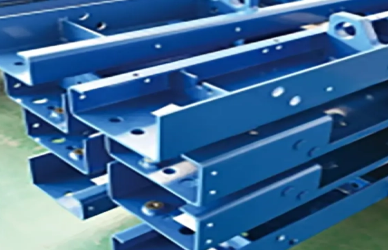
Transformer clamps are crucial in high-voltage environments like power plants, substations, and renewable energy systems, where reliability is key. These environments experience high mechanical stress and constant vibrations, which transformer clamps are specifically designed to withstand. Unlike conventional clamps, they ensure long-term stability, reducing the risk of failure and downtime in critical infrastructure.
Durability: Transformer clamps maintain performance under continuous stress, making them ideal for critical applications where frequent repairs are not an option.
Reliability: In renewable energy systems, transformer clamps help ensure efficient and uninterrupted operation, even in remote or harsh conditions.
Transformer clamps also excel in harsh environments, such as those with high humidity, extreme temperatures, or chemical exposure, where conventional clamps often fail.
Corrosion Resistance: Made from stainless steel or HSLA steel, transformer clamps resist corrosion from moisture and chemicals, unlike conventional clamps that deteriorate in such conditions.
Temperature Resistance: They can withstand extreme temperature fluctuations, ensuring performance where standard clamps may warp or fail.
Transformer clamps are designed to meet strict global standards, ensuring consistent quality and reliability across markets. ISO 9001 is the most recognized certification, ensuring manufacturers follow best practices in production, testing, and quality control. This certification guarantees that clamps are made from high-quality materials, meet performance benchmarks, and comply with regulatory requirements worldwide, ensuring they are safe, durable, and suitable for critical infrastructure.
Certification provides assurance that transformer clamps will perform reliably in demanding applications. Certified clamps offer several benefits, especially for international projects:
Reliability Across Markets: Certified clamps meet consistent performance standards, ideal for global procurement.
Peace of Mind for Clients: Certification ensures compliance with regulations, reducing risks and ensuring long-term performance.
Global Acceptance: Certified clamps meet industry standards, ensuring acceptance and reliable operation worldwide.
Yes, transformer clamps are versatile and can be used in a wide range of power systems, from large-scale power transmission grids to smaller renewable energy installations. Their high durability and corrosion resistance make them suitable for both industrial and commercial applications.
Transformer clamps enhance performance by securely holding the core and windings in place, preventing misalignment and mechanical stress. This reduces the risk of transformer failure and improves overall efficiency, ensuring more reliable energy transmission.
While transformer clamps typically have a higher initial cost, they provide significant long-term savings due to their durability, reduced maintenance, and extended lifespan. Over time, the lower maintenance and replacement costs make them a more cost-effective choice.
Yes, transformer clamps made from high-strength materials like stainless steel and HSLA steel are designed to withstand harsh environmental conditions such as high humidity, extreme temperatures, and exposure to chemicals. This makes them ideal for use in challenging environments where conventional clamps may fail.
In conclusion, transformer clamps offer distinct advantages over conventional clamps, particularly in terms of durability, corrosion resistance, and overall performance. Made from high-strength materials like HSLA steel and stainless steel, transformer clamps are designed to withstand vibrations, mechanical stress, and harsh environments. In contrast, conventional clamps, often made from less durable materials, may fail under demanding conditions, reducing their effectiveness over time.
Investing in high-quality transformer clamps provides long-term reliability and cost savings. Their extended lifespan and reduced maintenance needs result in fewer repairs and less downtime, ultimately making them a more cost-effective choice for power systems. Over time, transformer clamps help enhance system stability and operational efficiency.
When choosing clamps for your power system, it's essential to consider factors like environmental conditions, system demands, and operational goals. Transformer clamps are the optimal choice for high-voltage, high-demand environments where long-term reliability and performance are critical. By selecting the right clamp, you'll not only improve your system's performance but also ensure sustainability and cost-efficiency in the long run.


