
close
Choose Your Site
Global
Social Media


Views: 0 Author: Site Editor Publish Time: 2025-11-24 Origin: Site


Sustainability has become a critical focus in the industrial and energy sectors as companies strive to minimize their environmental footprint. With increasing pressure to adopt greener practices, industries are prioritizing energy efficiency, using sustainable materials, and reducing waste. In this context, transformer clamps play an important role in supporting these sustainability efforts. These components are essential for securing transformer cores and windings, ensuring reliable power transmission. By using durable and corrosion-resistant materials like HSLA steel and stainless steel, transformer clamps can extend the lifespan of transformers, reducing the need for frequent replacements and minimizing waste. This not only helps conserve resources but also reduces the environmental impact associated with manufacturing, transportation, and disposal. This article explores how the material quality in transformer clamps contributes to eco-friendly operations, highlighting the environmental benefits of using high-performance clamps that offer long-term durability and reliability, ultimately supporting a more sustainable future in the energy and industrial sectors.
Durable transformer clamps, made from materials like HSLA steel and stainless steel, are specifically engineered to endure the challenging environments in which transformers operate. These conditions include high vibration, extreme temperatures, and exposure to moisture. The inherent strength and resistance of these materials significantly extend the lifespan of the clamps, which ultimately reduces the need for frequent replacements. The longer lifespan of these clamps means less manufacturing, transportation, and disposal of parts, which directly translates into reduced waste generation. When businesses opt for durable materials, they effectively minimize the frequency of replacing components, thereby decreasing overall environmental impact. By choosing materials that last longer, industries contribute to more sustainable operations by reducing resource consumption and the environmental costs associated with part disposal.
One of the key advantages of using high-quality transformer clamps is their reduced maintenance requirements. Clamps made from premium materials like stainless steel and HSLA steel are resistant to wear, corrosion, and degradation, making them far more durable than standard options. As a result, they require fewer repairs or replacements, which translates to significant resource savings. Fewer replacements mean less energy spent on manufacturing and shipping new parts, and less raw material is consumed. Additionally, fewer maintenance interventions save labor and operational costs, reducing energy consumption associated with servicing the equipment. By extending the time between repairs, these high-performance clamps not only lower the total cost of ownership but also minimize the consumption of resources like labor, materials, and energy, leading to a greener and more cost-effective operation over the long term.
Transformers are integral to energy transmission systems, and ensuring their longevity and reliability is essential to sustaining energy efficiency. Durable transformer clamps play a pivotal role in this by reducing the frequency of repairs and replacements, which enhances the operational stability of the transformers. With fewer disruptions due to malfunctioning parts, energy distribution remains stable, helping to ensure that power is transmitted efficiently across networks. The reduced need for repairs also translates into fewer carbon emissions from transportation, manufacturing, and waste disposal. By supporting longer operational lives for transformers, durable clamps help promote the adoption of more sustainable energy practices, contributing to the overall sustainability of energy infrastructure. This alignment with global environmental goals ensures a cleaner, more sustainable energy system that benefits both the industry and the environment.
Another environmental benefit of corrosion-resistant transformer clamps is the reduced need for hazardous chemical treatments or coatings that are often used to protect standard transformer components from environmental damage. Traditional coatings, while effective, often contain harmful chemicals that can pollute air, water, and soil during production, use, or disposal. In contrast, high-quality materials such as stainless steel inherently resist corrosion, meaning they can withstand harsh environmental factors like humidity, saltwater, and chemical exposure without the need for additional chemical treatments. This significantly reduces the environmental pollution associated with transformer maintenance, making the use of corrosion-resistant clamps an eco-friendly choice for industrial applications. By eliminating the need for toxic coatings, industries can minimize their environmental footprint and comply more easily with stricter environmental regulations.
While high-quality transformer clamps may come with a higher initial investment, the long-term environmental and cost savings they provide are substantial. Durable clamps that require less maintenance and fewer replacements not only help reduce operational disruptions but also result in lower resource consumption and waste. The reduced need for frequent part replacements leads to a decrease in the production of new parts and a reduction in the transportation and disposal costs associated with them. Furthermore, by improving the overall efficiency of transformer operations, these clamps contribute to lowering carbon emissions from power generation, making them an environmentally responsible choice for industries. Ultimately, businesses that invest in these durable, high-performance components not only benefit from long-term cost savings but also play a key role in supporting sustainable and eco-friendly energy practices.
Durable and corrosion-resistant transformer clamps play a crucial role in enhancing transformer performance by securely holding the core and windings in place. This reduces mechanical stress and prevents misalignment, ensuring that the transformer operates smoothly and efficiently. Materials like stainless steel and HSLA steel are designed to withstand tough conditions, maintaining their reliability over time. By preventing vibrations and ensuring proper alignment, these clamps help optimize energy transmission, minimizing losses and improving overall transformer efficiency.
In addition to supporting the core and windings, durable transformer clamps help prevent any mechanical stress that could lead to misalignment of the transformer components. When clamps fail or wear down, transformers can experience uneven pressure and shifting, which can disrupt the energy flow and cause inefficiencies. High-quality clamps keep everything securely in place, ensuring consistent performance and reducing the risk of costly repairs or downtime.
By ensuring a stable operation, durable transformer clamps help reduce energy waste. When transformer components are securely held in place, the transformer can maintain its efficiency, and fewer energy losses occur. This not only improves the transformer's functionality but also contributes to energy savings in the long run. With high-quality clamps, transformers experience fewer breakdowns and less downtime, which helps keep the system running at peak performance, further reducing overall energy consumption.
Durable, high-performance transformer clamps align with broader energy-saving initiatives by contributing to the overall efficiency of the power grid. Reliable transformers are essential to minimize energy losses across the network. By reducing downtime and ensuring that energy is transmitted efficiently, transformers with superior clamps help reduce the total energy consumed by the system, making it easier to meet energy-saving goals and promote sustainability.
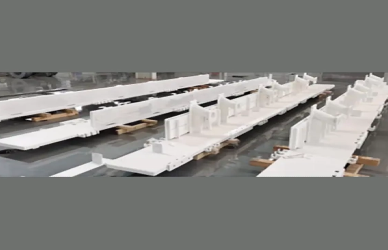
Using durable, high-quality transformer clamps significantly reduces operational and maintenance costs for industries. The long lifespan of corrosion-resistant materials like stainless steel and HSLA steel means fewer replacements and repairs are needed. This leads to reduced downtime, fewer maintenance interventions, and lower overall operational costs. Over time, these savings can be substantial, providing industries with a more cost-effective solution for their transformer needs.
Opting for high-quality, durable materials also aligns with eco-friendly practices. By reducing the frequency of replacements and maintenance, industries minimize resource consumption and waste generation. Additionally, using corrosion-resistant materials helps avoid harmful chemical treatments or coatings that could contribute to environmental pollution. This approach supports global sustainability goals by reducing industrial waste, conserving raw materials, and minimizing the carbon footprint associated with transformer upkeep.
Durable transformer clamps reduce the need for frequent replacements, cutting down on waste and reducing the consumption of raw materials. They also contribute to longer-lasting transformers, resulting in less environmental strain over time.
Corrosion-resistant clamps, made from materials like stainless steel, help reduce the frequency of repairs and replacements. This lowers the need for chemicals or treatments that can be harmful to the environment, contributing to more sustainable operations.
Yes, durable clamps support better transformer performance by ensuring stable operation and minimizing downtime. This improves overall energy efficiency, as less energy is lost during repairs or malfunctions.
Using durable, corrosion-resistant clamps can lead to significant cost savings by reducing maintenance, repair, and replacement costs over time. The longer lifespan of these clamps also minimizes the frequency of costly replacements, providing a better long-term return on investment.
Durable and corrosion-resistant transformer clamps play a vital role in reducing the environmental impact of transformer operations. By extending the lifespan of transformers and reducing the frequency of replacements, these clamps help minimize waste and conserve resources. Corrosion-resistant materials like stainless steel also eliminate the need for harmful chemical treatments, making them more environmentally friendly. Additionally, these high-quality clamps improve transformer performance, leading to fewer breakdowns, reduced energy consumption, and less frequent maintenance. By investing in premium, eco-friendly transformer clamps, industries can achieve both cost savings and contribute to sustainability goals, ensuring a more efficient and environmentally conscious energy infrastructure.


