
close
Choose Your Site
Global
Social Media


Views: 0 Author: Site Editor Publish Time: 2025-12-01 Origin: Site


Managing noise and vibration is crucial for power plant efficiency and safety. Excessive vibration can cause wear and failures, while high noise levels can affect communication and worker health. Transformer clamps made from durable materials like HSLA steel and stainless steel help reduce these issues by stabilizing the transformer, preventing unwanted movement that causes noise and vibration. This article will explore how selecting the right transformer clamps can reduce noise and vibration, improving operational efficiency and safety in power plants.
Excessive vibration can cause mechanical failures, misalignment, and increased wear on transformers and related equipment. Vibrations can misalign transformer cores and windings, leading to inefficiency, overheating, and potential breakdowns. Over time, this reduces transformer lifespan, increases maintenance needs, and can cause system failures if left unchecked. Vibrations also affect other components, contributing to loose connections or failure of electrical systems, disrupting overall plant operations.
High noise levels in power plants can impair communication, reduce worker focus, and increase stress, leading to safety risks and errors. Prolonged exposure to loud environments also poses health risks, such as hearing loss and fatigue. Furthermore, noise can interfere with emergency response and operational efficiency, creating a hazardous working environment. Addressing noise is crucial not only for worker safety but also to comply with environmental noise regulations.
By reducing vibration and noise, power plants can enhance equipment reliability and improve workplace safety and efficiency.
High-quality transformer clamps made from durable materials like HSLA steel and stainless steel are designed to absorb and dampen mechanical vibrations. These materials have high tensile strength and excellent fatigue resistance, which allow them to withstand constant movement and vibrations without weakening. When mechanical stress or vibration occurs, transformer clamps act as a buffer, dissipating the energy that would otherwise affect the transformer's internal components. This vibration absorption prevents the vibrations from transferring to the core and windings, significantly reducing the risk of mechanical failure and enhancing overall transformer stability.
Transformer clamps secure the core and windings in place, ensuring that all components remain properly aligned. By tightly securing these critical parts, transformer clamps prevent unnecessary movement that could amplify vibrations. When the core and windings are improperly secured, they are free to shift or vibrate, which not only creates excessive wear but can also lead to alignment issues that decrease efficiency and increase the risk of transformer failure. Proper clamp placement ensures that there is minimal movement within the transformer, helping to stabilize the internal components and reduce the harmful effects of vibration, such as heat buildup, material fatigue, and eventual breakdown.
By minimizing vibrations and ensuring stable operation, transformer clamps directly contribute to the longevity of the transformer. Reduced vibration helps prevent the degradation of critical components like the core, windings, and insulation materials. When transformers experience constant vibrations, wear and tear can quickly lead to failures that necessitate costly repairs or replacements. Properly secured transformer components not only reduce these risks but also lower the frequency of maintenance needed, resulting in long-term cost savings and improved operational efficiency. This enhances the overall reliability of the power plant’s transformer, making the system more resilient to external stresses and prolonging its service life.
Transformer clamps are designed to minimize noise by absorbing mechanical vibrations. Features like vibration-damping coatings and anti-vibration pads help reduce sound. Vibration-damping coatings act as buffers, reducing vibrations traveling through the transformer housing, while anti-vibration pads absorb mechanical energy, preventing vibrations from amplifying and causing noise.
Materials such as rubber, soft metal alloys (copper, aluminum), and special coatings are used in transformer clamps to reduce noise. Rubber is particularly effective at isolating vibrations, while soft metals absorb and dissipate sound energy. Anti-vibration coatings not only protect the clamp but also further reduce noise by dampening vibrations. These materials help ensure quieter operation and enhance transformer efficiency by reducing noise pollution.
Recent advancements in clamp design have focused on reducing noise even further. Some clamps feature multi-layered structures that isolate vibrations in different directions, preventing the sound from spreading. Additionally, clamp designs with flexible mounting points or shock-absorbing elements help further reduce the transmission of vibrations, contributing to quieter transformer systems.
The choice of clamp directly affects the overall noise level in a transformer. High-quality transformer clamps with noise-dampening features, when properly selected and installed, can reduce noise by up to 30-40%. The right clamp not only helps extend the life of the transformer but also creates a quieter working environment, improving safety and comfort in power plants.
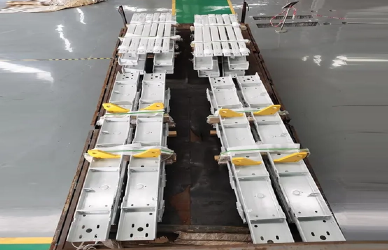
Selecting the right transformer clamp depends on the specific conditions of the plant environment. In power plants with high stress or extreme conditions, clamps should be designed to withstand vibrations and reduce noise. Advanced features like vibration-damping coatings or anti-vibration pads may be needed to ensure quieter and more efficient operations. For plants where noise levels are critical, clamps that absorb vibrations and secure transformer components effectively are essential.
Several factors are key when choosing transformer clamps for noise and vibration control:
Material Strength: Strong materials like HSLA steel and stainless steel are crucial for handling mechanical stress, vibration, and heavy transformer components.
Vibration Resistance: Clamps should absorb and dampen vibrations. Materials such as rubber or soft alloys enhance vibration resistance and reduce noise.
Corrosion Resistance: Exposure to harsh environments demands clamps made from corrosion-resistant materials to maintain performance and durability.
Ease of Maintenance: Quick and easy maintenance is important for reducing downtime. Clamps designed for easy adjustments help prevent mechanical stress that can lead to noise and vibration buildup.
Considering these factors ensures that transformer clamps effectively reduce noise and vibration, supporting plant efficiency and safety.
Reducing vibration and noise helps extend transformer life by preventing excessive wear and tear on components. Continuous vibrations can cause misalignment and mechanical stress, leading to equipment failure. By minimizing these stresses, high-quality transformer clamps ensure stable operation, reduce the frequency of repairs, and prolong the service life of transformers.
Lower noise levels create a safer and more comfortable work environment. High noise can cause stress, fatigue, and hearing damage, while also impairing focus. By reducing noise and vibrations, transformer clamps contribute to improved worker safety, reduce health risks, and boost productivity, leading to a healthier workplace.
Vibration control reduces the likelihood of unexpected breakdowns and repairs, resulting in fewer instances of operational downtime. Properly secured transformers experience fewer mechanical failures, ensuring a more stable and continuous energy supply and improved operational efficiency.
The initial investment in high-quality transformer clamps pays off over time by reducing maintenance and repair costs. With fewer replacements and less downtime, power plants save on labor and repair expenses. These long-term savings make noise and vibration control a financially sound choice.
Excessive vibration can lead to misalignment of the transformer components, increasing wear and tear, and ultimately shortening the transformer’s lifespan. High-quality transformer clamps help mitigate this by absorbing and reducing mechanical stress, keeping components secure and properly aligned.
Materials such as rubber, soft metal alloys, and specialized coatings help dampen noise and absorb vibrations. These materials minimize the transmission of sound and prevent reverberation within the transformer, contributing to a quieter and more stable operational environment.
Yes, vibration-damping clamps help maintain stable transformer operation by reducing mechanical stress. This minimizes the risk of failures, decreases downtime, and enhances the overall operational efficiency of power plants, ensuring more reliable energy transmission.
Yes, transformer clamps equipped with vibration-damping pads, rubber gaskets, and anti-vibration features are ideal for noise-sensitive environments. These designs are particularly useful in settings such as residential areas, research facilities, or areas where noise reduction is critical for worker safety and comfort.
In conclusion, choosing the right transformer clamps is essential for reducing vibration and noise in power plants. High-quality clamps made from durable materials, like stainless steel or HSLA steel, absorb mechanical stress and vibrations, ensuring that transformers operate more efficiently and with fewer disruptions. By minimizing vibrations, these clamps help extend the lifespan of transformers, reduce the need for maintenance, and lower the risk of equipment failure. Additionally, quieter operations improve worker safety and comfort, contributing to a healthier work environment and enhancing overall productivity. For long-term reliability, cost savings, and a quieter, more efficient operation, investing in quality transformer clamps is a smart choice for plant operators looking to optimize their power systems.


