
close
Choose Your Site
Global
Social Media


Views: 0 Author: Site Editor Publish Time: 2025-11-18 Origin: Site


Transformer clamps are essential for maintaining the stability and longevity of transformers. They securely hold the core and windings in place, preventing movement and misalignment that can lead to mechanical stress and failure. In high-vibration and high-temperature environments, the performance of these clamps is crucial to the overall efficiency and lifespan of the transformer.
The material quality of transformer clamps is key to their durability and reliability. High-strength materials ensure that clamps can withstand mechanical stress, corrosion, and fatigue over time. Common materials used include HSLA steel, known for its strength and resistance to deformation, and stainless steel, which offers excellent corrosion resistance in harsh environments. Together, these materials help ensure the clamps perform reliably, reducing maintenance needs and extending the life of the transformer.
Transformer clamps must endure mechanical stress and harsh environments, making material selection critical for durability and performance. The primary materials used in transformer clamps include HSLA steel, stainless steel, and various coatings and surface treatments.
Benefits of HSLA Steel
HSLA steel is known for its high tensile strength and fatigue resistance, making it ideal for transformer clamps that need to endure heavy loads. Its lightweight yet strong properties allow the clamps to withstand mechanical stress without deformation.
Role in Vibration Resistance
HSLA steel effectively absorbs vibrations and mechanical stress, preventing internal component shifts and misalignments, which is crucial for maintaining transformer stability.
Corrosion Resistance and Strength
Stainless steel, particularly SS304, offers excellent corrosion resistance and strength, making it ideal for use in challenging environments like chemical plants or coastal regions.
Importance in Harsh Environments
Stainless steel’s resistance to moisture, chemicals, and extreme temperatures ensures long-term reliability, reducing maintenance and prolonging the life of transformer clamps in harsh conditions.
Anti-Corrosion Coatings
Coatings like epoxy or galvanizing provide an added layer of protection, enhancing the corrosion resistance of transformer clamps and extending their lifespan.
Surface Treatments
Surface treatments such as passivation enhance the natural oxide layer of stainless steel, offering extra protection against environmental factors and wear.
Corrosion resistance is crucial for transformer clamp longevity, especially in harsh environments. This section explores the environmental challenges affecting clamps, the role of corrosion-resistant materials, and the cost savings they provide.
Impact of Harsh Environments
Transformer clamps are often exposed to extreme conditions in chemical plants, steel mills, and coastal areas. These environments can accelerate corrosion due to factors like humidity, chemicals, and salt. In coastal areas, salty air can cause rusting, while chemical plants may expose clamps to corrosive substances.
Effect on Clamp Integrity
Without corrosion resistance, clamps weaken over time, losing their ability to securely hold the transformer core and windings. This can lead to misalignment, failure, and costly repairs.
Corrosion-Resistant Materials
Materials like stainless steel (e.g., SS304) offer natural corrosion resistance due to chromium content, making them ideal for harsh environments. These materials help the clamps maintain structural integrity and long-term performance.
Coatings and Treatments
Anti-corrosion coatings (e.g., epoxy, galvanizing) and surface treatments (e.g., passivation) further enhance the clamps' resistance to rust and chemical damage, extending their service life.
Long-Term Reliability
Using corrosion-resistant materials ensures clamps stay functional in harsh conditions, helping transformers operate efficiently with fewer failures and less maintenance.
Reduced Maintenance
Corrosion-resistant clamps reduce the need for frequent repairs and replacements. In corrosive environments, traditional clamps may need constant upkeep, leading to higher labor and material costs. Corrosion-resistant clamps, however, last longer, lowering overall maintenance needs.
Long-Term Savings
While corrosion-resistant clamps may have a higher initial cost, they provide significant long-term savings by reducing downtime, repair frequency, and replacement costs, making them a more cost-effective choice in the long run.
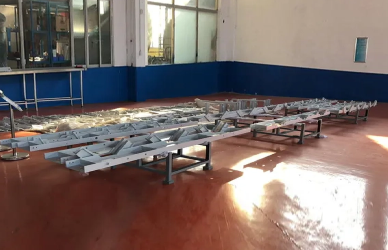
The material quality of transformer clamps is key to reducing maintenance, preventing downtime, and extending the life of transformers. High-quality materials improve durability, reduce maintenance frequency, and ensure continuous operation by withstanding stress, vibration, and harsh environments.
Durability of High-Quality Materials
Clamps made from high-quality materials like HSLA steel or stainless steel last longer, resisting wear, corrosion, and mechanical stress. This reduces the need for frequent replacements and extends the life of both the clamps and the transformer.
Longer Transformer Life
Premium materials help ensure transformers operate efficiently for longer, lowering the frequency of costly repairs and extending the overall lifespan.
Reduced Breakdowns
Durable materials reduce the risk of clamp failure, minimizing unplanned breakdowns. This results in fewer maintenance interventions and more predictable schedules.
Less Frequent Maintenance
Materials like stainless steel and anti-corrosion coatings keep clamps in top condition, reducing rust and wear, and extending the intervals between required maintenance.
Minimizing Downtime
High-quality clamps reduce failures, preventing costly unplanned shutdowns and keeping transformers operational. This ensures smooth, continuous operation and fewer interruptions.
Continuous Operation
Withstanding vibrations and thermal stress, durable clamps ensure the transformer runs reliably, avoiding disruptions that could lead to lost productivity and revenue.
High-quality materials are key to ensuring transformer clamps perform reliably across various global environments. Whether dealing with extreme temperatures, high humidity, or coastal conditions, the right materials help ensure transformers maintain consistent performance. This section covers how material quality enhances the adaptability of transformer clamps, the importance of global standards and certification, and how these factors align with global demands for reliability and safety.
Performance in Harsh Conditions
Transformer clamps must perform in diverse environments, from high temperatures in desert regions to salt-laden air in coastal areas. Materials like HSLA steel and stainless steel provide the strength and corrosion resistance needed to handle such conditions, ensuring long-term durability.
Durability in Varying Environments
Whether in chemical plants, power grids, or renewable energy facilities, transformer clamps are exposed to mechanical stress, vibrations, and environmental fluctuations. High-quality materials help ensure that clamps stay reliable in these demanding conditions, making them adaptable for a variety of industries worldwide.
Compliance with International Standards
To meet the demands of global markets, transformer clamps must adhere to international standards like ISO 9001. These certifications ensure that materials meet strict quality and performance guidelines, giving customers confidence in the clamp’s reliability and safety across different regions.
Consistency Across Markets
Global standardization ensures that clamps perform consistently, regardless of location. Adhering to global quality standards guarantees that transformer clamps meet performance expectations, even in varying environmental conditions, providing seamless integration across markets.
Safety and Reliability
As the demand for reliable energy infrastructure grows globally, transformers must meet high standards of safety and reliability. High-quality materials like stainless steel and HSLA steel ensure transformer clamps can endure mechanical stresses and harsh environments, minimizing failure risks and boosting overall safety.
Building Global Trust
Using durable materials helps companies build trust by providing reliable, long-lasting clamps that can withstand extreme conditions worldwide. Whether facing extreme temperatures or coastal humidity, high-quality clamps meet the global need for performance and safety, meeting or exceeding local and international standards.
Material quality directly affects the strength, durability, and resistance to environmental factors of transformer clamps. Higher-quality materials, like HSLA steel and stainless steel, enhance clamp performance by offering better mechanical stress resistance, corrosion protection, and longevity, all of which contribute to fewer maintenance needs and longer service life for transformers.
While low-quality materials might be cheaper, they often lack the necessary strength and corrosion resistance to withstand the demanding conditions transformers face. This can lead to frequent failures, increased maintenance costs, and a shortened service life of the transformer, making low-quality materials a poor long-term investment.
Advancements in materials, such as the development of stronger alloys or corrosion-resistant coatings, help transformer clamps maintain performance in harsh environments, reducing downtime and maintenance. These materials allow for more reliable operation in extreme conditions, ultimately leading to better operational efficiency and reduced operational costs.
Investing in high-quality materials ensures that transformer clamps are durable, corrosion-resistant, and able to withstand mechanical stress. This leads to extended transformer life, lower maintenance costs, fewer repairs, and greater operational reliability over time. The long-term benefits include cost savings, reduced downtime, and fewer unexpected failures, offering a better return on investment.
In conclusion, material quality is critical to the performance, reliability, and longevity of transformer clamps. High-strength materials like HSLA steel and stainless steel ensure clamps can withstand mechanical stress, vibration, and corrosion, protecting the transformer and improving efficiency. These durable materials reduce the need for frequent repairs, minimizing downtime and extending the life of the transformer.
Investing in high-quality transformer clamps offers significant long-term cost savings. Although premium materials may come with a higher initial cost, they reduce maintenance and replacement expenses over time, providing a better return on investment.
For businesses seeking reliable, long-lasting transformer performance, selecting premium clamps made from durable, corrosion-resistant materials is essential. These high-quality clamps support efficient, trouble-free operation, making them a smart choice for ensuring the reliability and cost-effectiveness of your transformers.


