

close
Choose Your Site
Global
Social Media


Transformers are essential components in electrical power systems, enabling efficient voltage conversion for transmission, distribution, and end-use applications. Among the most common types are the Single Phase Transformer and the three-phase transformer. Understanding the differences between these two transformer types is critical for engineers, facility managers, procurement specialists, and even homeowners planning electrical installations.
While both devices operate on the principle of electromagnetic induction, their configuration, efficiency, cost, and application scope differ significantly. This in-depth guide explores how a Single Phase Transformer compares to a three-phase transformer, providing technical insights, real-world applications, performance comparisons, and data tables to help you make informed decisions.
A Single Phase Transformer is an electrical device designed to operate on single-phase alternating current (AC) power. It transfers electrical energy between two circuits through electromagnetic induction and is primarily used to step up or step down voltage levels.
In most residential and small commercial environments, electricity is supplied as single-phase power. The Single Phase Transformer plays a crucial role in converting medium-voltage distribution power into usable household voltage, such as 120V or 230V.
Magnetic core (laminated silicon steel)
Primary winding
Secondary winding
Insulation system
Cooling mechanism (air or oil)
The working principle of a Single Phase Transformer is based on Faraday’s law of electromagnetic induction. When AC flows through the primary winding, it generates a magnetic field that induces voltage in the secondary winding.
The Single Phase Transformer is widely used in environments where power demand is moderate.
Residential homes
Small offices
Retail shops
Schools
Clinics
Street lighting systems
Solar power systems
For example, when electricity is transmitted at 11kV in distribution lines, a Single Phase Transformer steps it down to safe levels for household use.
With the rise of renewable energy and electric vehicles, the Single Phase Transformer is increasingly used in:
Residential EV charging stations
Smart home systems
Rooftop solar integration
Battery energy storage systems
Because of its simplicity and affordability, the Single Phase Transformer remains a preferred choice for decentralized energy systems.
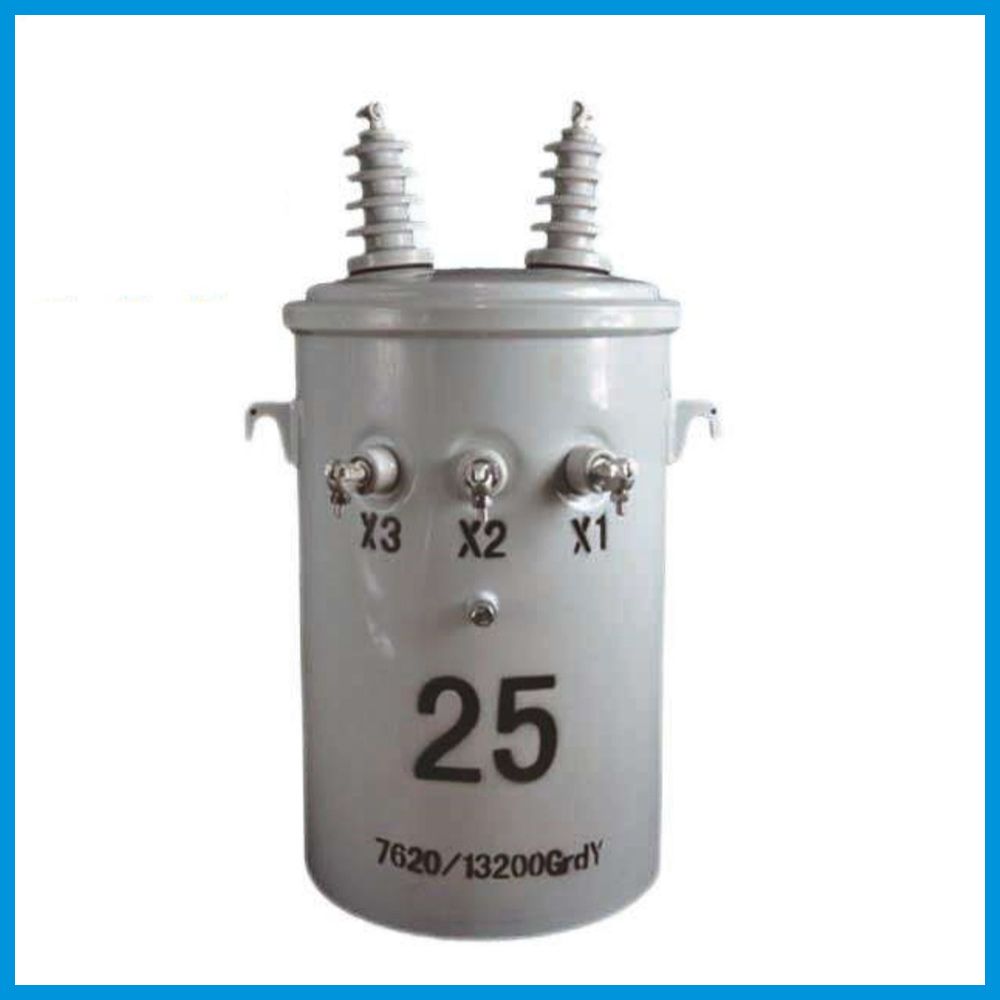
A three-phase transformer is designed to operate on three-phase AC power systems, commonly used in heavy industrial and large commercial applications. Unlike a Single Phase Transformer, which handles one alternating waveform, a three-phase transformer manages three alternating currents, each separated by 120 degrees.
Three-phase transformers can be constructed as:
A single three-phase unit
Three separate Single Phase Transformer units connected together
Three-phase transformers are typically used where higher power capacity and efficiency are required.
Manufacturing plants
Large commercial buildings
Data centers
Heavy machinery
Industrial motors
Water treatment facilities
While a Single Phase Transformer is sufficient for homes and small businesses, large-scale operations rely on three-phase systems for better load balancing and reduced power loss.
Three-phase transformers come in various configurations:
Delta-Delta
Delta-Wye
Wye-Delta
Wye-Wye
Each configuration serves different voltage transformation and grounding requirements. In contrast, a Single Phase Transformer has a much simpler configuration with only one primary and one secondary winding.
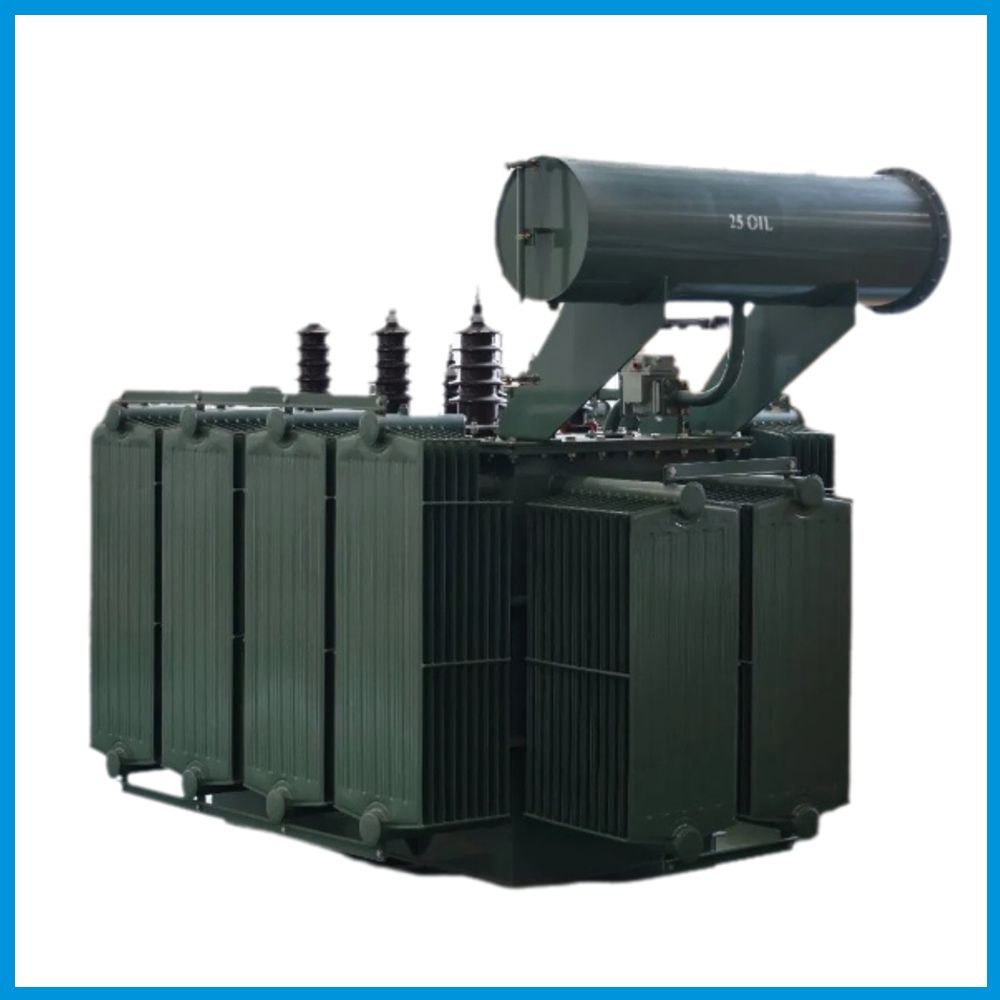
Understanding the difference between a Single Phase Transformer and a three-phase transformer requires analyzing several technical and practical factors.
The most fundamental difference lies in configuration.
| Feature | Single Phase Transformer | Three-Phase Transformer |
|---|---|---|
| Power Supply | Single AC waveform | Three AC waveforms |
| Windings | One primary & one secondary | Three sets of windings |
| Complexity | Simple | Complex |
| Installation | Easier | Requires expertise |
A Single Phase Transformer has a straightforward design, making it easier to manufacture, install, and maintain. Three-phase transformers are more intricate due to multiple windings and phase arrangements.
Efficiency depends on load conditions and application scale.
A Single Phase Transformer typically operates at 95–98% efficiency.
Three-phase transformers can achieve slightly higher efficiency in high-load industrial settings.
However, for smaller loads, the Single Phase Transformer is more energy-efficient because it avoids unnecessary system complexity.
| Loss Type | Single Phase Transformer | Three-Phase Transformer |
|---|---|---|
| Core Loss | Moderate | Lower per kVA |
| Copper Loss | Higher per kVA | Lower at scale |
| Load Balance | Limited | Excellent |
For residential and small-scale use, the Single Phase Transformer remains highly efficient and practical.
Cost is one of the most significant deciding factors.
Single Phase Transformer: Lower upfront cost
Three-phase transformer: Higher capital cost
Installing a Single Phase Transformer requires less infrastructure compared to a three-phase system, which needs specialized wiring and protection equipment.
The simple structure of a Single Phase Transformer reduces maintenance requirements and associated expenses.
| Cost Factor | Single Phase Transformer | Three-Phase Transformer |
|---|---|---|
| Equipment Cost | Low | High |
| Installation | Simple | Complex |
| Maintenance | Minimal | Moderate to High |
For homeowners and small businesses, the Single Phase Transformer is usually the more economical choice.
Parallel operation improves reliability and load management.
Multiple Single Phase Transformer units can be connected in parallel to:
Increase capacity
Improve redundancy
Simplify maintenance
Three-phase transformers can also operate in parallel but require precise matching of voltage ratios, impedance, and phase sequence.
For scalable systems, using multiple Single Phase Transformer units offers flexibility and easier replacement.
Three-phase transformers are ideal for heavy loads such as industrial motors. However, for moderate and variable loads, the Single Phase Transformer performs efficiently.
A Single Phase Transformer ensures stable voltage for sensitive electronics in homes and offices.
The compact nature of a Single Phase Transformer allows installation in confined spaces, making it suitable for urban environments.
The electrical industry is evolving rapidly. The Single Phase Transformer is adapting to modern requirements through:
Smart monitoring systems
IoT-enabled diagnostics
Eco-friendly insulation oils
High-efficiency core materials
Integration with renewable energy
As smart grids expand, the Single Phase Transformer plays a vital role in decentralized power systems.
A suburban home with solar panels and EV charging typically uses a Single Phase Transformer because:
Load demand is moderate
Installation cost is lower
Maintenance is simple
A manufacturing plant operating large motors requires a three-phase transformer for:
Balanced load distribution
High power efficiency
Continuous heavy operation
The decision depends on scale and demand.
Choosing between a Single Phase Transformer and a three-phase transformer depends on several factors:
Power requirements
Budget
Installation environment
Future scalability
Maintenance capability
For residential, small commercial, and light industrial applications, the Single Phase Transformer offers a cost-effective, efficient, and reliable solution. Its simple design, ease of installation, and adaptability to renewable energy systems make the Single Phase Transformer an ideal choice for everyday applications.
In contrast, three-phase transformers are better suited for heavy industrial loads and large commercial infrastructure.
Understanding these differences ensures optimal system performance and long-term cost savings.
The Single Phase Transformer operates on single-phase AC power and is typically used for residential and small commercial applications, while three-phase transformers are designed for high-power industrial use.
Yes, a Single Phase Transformer generally has a lower purchase and installation cost compared to a three-phase transformer.
In some configurations, three Single Phase Transformer units can be connected to form a three-phase system.
For small to moderate loads, a Single Phase Transformer is highly efficient. For heavy industrial loads, three-phase transformers provide better overall efficiency.
The Single Phase Transformer is commonly used in homes, small businesses, schools, clinics, and renewable energy systems.