

close
Choose Your Site
Global
Social Media


Choosing the right electrical infrastructure is a high-stakes decision for any facility manager. The debate often centers on whether to deploy a Single Phase Transformer or its three-phase counterpart. In the world of Industrial power distribution, this choice affects everything from initial capital expenditure to long-term Efficiency. While most people assume three-phase is always better for big factories, the reality is more nuanced.
This guide explores the mechanical and electrical differences between these two systems. We will dive into why a High voltage Single Phase Transformer might be the perfect fit for remote Industrial sites, while three-phase units dominate the heavy manufacturing floor. By understanding the "why" behind the phase count, you can optimize your power grid for maximum reliability and minimum waste.
At its most basic level, the difference lies in the number of conductors and the complexity of the magnetic circuit. A Standard Single Phase Transformer works with two conductors—one hot and one neutral. It creates a single alternating voltage. In contrast, a three-phase unit uses three sets of primary and secondary windings, creating three alternating voltages that are 120 degrees out of sync.
An Oil immersed Single Phase Transformer is prized for its simplicity. It has fewer parts to fail. For smaller Industrial applications, such as lighting circuits or small motor controls, it provides a stable and predictable power source. Because it only deals with one sine wave, the internal cooling and insulation requirements are less complex than those of a three-phase system.
Three-phase transformers are essentially three Single Phase Transformer units joined into one core. This integration allows them to deliver much more power using less copper and steel than three separate single-phase units would require. They provide a continuous flow of power because the three phases overlap. This "constant" power is vital for heavy Industrial machinery that requires smooth, vibration-free torque.
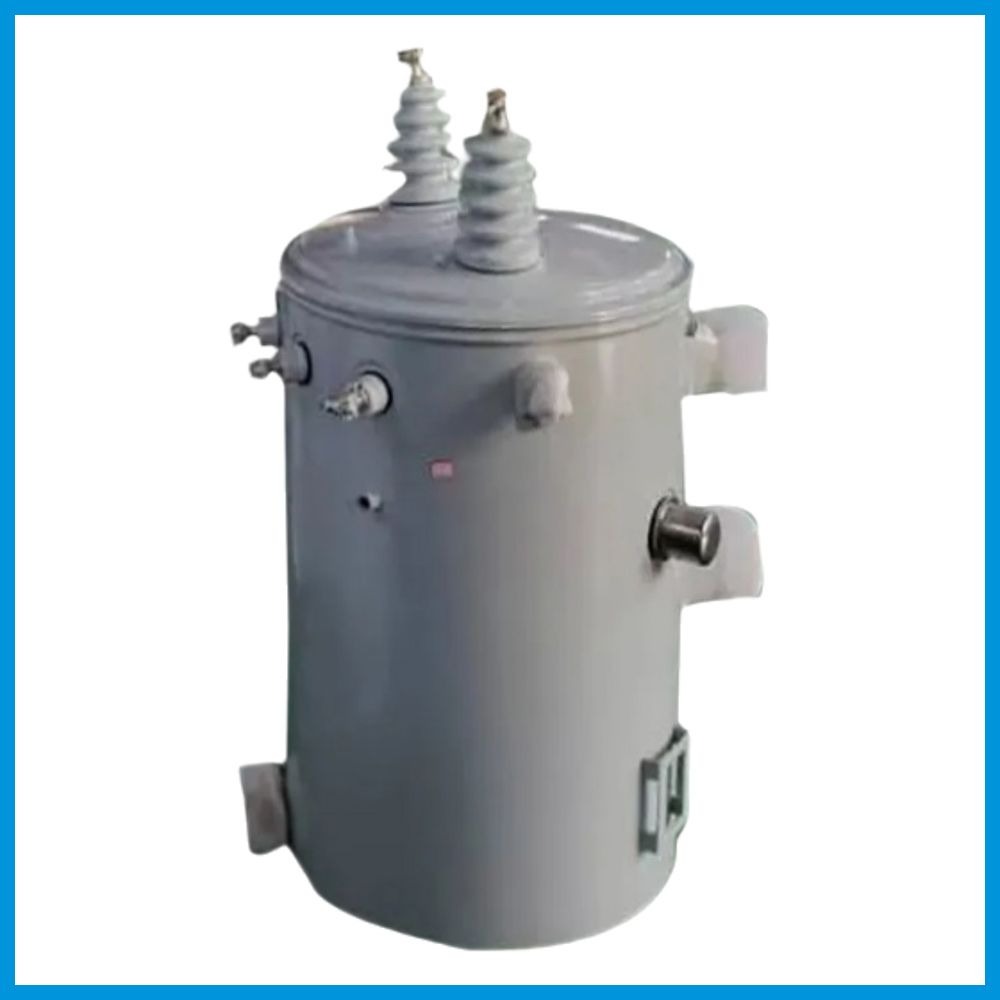
In the Industrial sector, space and energy waste are expensive. We have to look at how much power a transformer can deliver relative to its physical size. This is where the three-phase system usually takes the lead, but the Single Phase Transformer has specific niches where it wins on Efficiency.
Three-phase transformers are more material-efficient. They can transmit more power over three wires than a Single Phase Transformer can over two. This means for a high-capacity factory, the three-phase unit is lighter and smaller than an equivalent bank of single-phase units. However, if your load is unbalanced or highly variable, a three-phase unit might struggle with Efficiency losses that a dedicated Low voltage Single Phase Transformer could avoid.
For High voltage transmission over long distances to rural Industrial outposts, the Pillar type Single Phase Transformer is a hero. It is cheaper to install single-phase lines for remote pumps or telecommunications towers. In these cases, the cost of running three wires outweighs the Efficiency gains of the three-phase system. We often see these Pillar type units mounted on utility poles, providing reliable Low voltage power to isolated equipment.
The phase choice is often dictated by the voltage level required by the end-user equipment. Industrial facilities usually have a mix of both, requiring a tiered approach to transformer selection.
Most Industrial plants receive High voltage power from the utility. A large three-phase transformer typically steps this down to a manageable level for the whole building. But once inside, we often need to step down further for sensitive electronics or localized tools. This is where a Low voltage Single Phase Transformer is used to branch off the main supply.
Sensitive Industrial controllers and servers often run better on a Single Phase Transformer. These devices don't need the massive power of three phases. By using a dedicated High-quality Single Phase Transformer, we isolate these sensitive loads from the electrical "noise" created by large three-phase motors. It acts as a buffer, ensuring the Low voltage output remains clean and steady.
If an Industrial site grows, adding a single-phase branch is much cheaper than re-wiring the entire facility for three-phase. We can simply install an Oil immersed Single Phase Transformer near the new equipment. This modularity allows procurement officers to manage budgets better. They don't have to pay for a massive three-phase upgrade when a Standard Single Phase Transformer can handle the specific new load.
Whether you choose a Single Phase Transformer or a three-phase unit, the cooling method determines how long it will last in a harsh Industrial environment.
An Oil immersed Single Phase Transformer uses mineral oil to pull heat away from the windings. This oil also acts as an extra layer of insulation. In dusty or humid Industrial settings, these units are incredibly Durable. They are sealed, so contaminants can't get to the core. This makes the Oil immersed design a favorite for outdoor Pillar type installations where weather is a factor.
For indoor Industrial areas where fire safety is a priority, dry-type transformers are common. However, they lack the cooling Efficiency of oil-based units. If you are running a High voltage application, the Oil immersed Single Phase Transformer is generally safer for long-term continuous use because the oil prevents hot spots from forming inside the windings, which can lead to premature insulation failure.
The physical mounting of the transformer often tells you a lot about its phase. In many Industrial parks, the way the power arrives determines the hardware you need.
The Pillar type Single Phase Transformer is a standalone unit often seen in residential-heavy Industrial zones or small workshops. They are easy to access for maintenance and don't require complex mounting hardware. Because they are grounded at the base, they are very safe for areas with foot traffic.
In many rural Industrial sites, such as oil fields or mining camps, the transformer is mounted on a pole to keep it away from ground-level hazards. A High voltage Single Phase Transformer is much easier to mount on a pole than a bulky three-phase unit. It requires less structural support and fewer insulators. This makes it the standard choice for "extending" the grid to the edges of an Industrial operation.
Procurement officers must balance the initial purchase price with the "Total Cost of Ownership." This includes installation, maintenance, and the cost of wasted energy.
| Feature | Single Phase Transformer | Three Phase Transformer |
| Initial Cost | Lower (for small loads) | Higher |
| Wiring Complexity | Simple (2 wires) | Complex (3-4 wires) |
| Efficiency | High for small, local loads | High for massive, constant loads |
| Repairability | High (Modular) | Moderate (Complex windings) |
| Industrial Use | Lighting, Tools, Remote Sites | Heavy Motors, Main Grid |
The greatest advantage of the Single Phase Transformer in an Industrial setting is flexibility. You can use two or three single-phase units to create a three-phase bank if needed. This is known as a "transformer bank." It allows for redundant systems—if one Single Phase Transformer fails, you can sometimes keep a portion of the facility running while you replace the broken unit. With a single three-phase unit, if one phase fails, the whole machine usually has to shut down.
When we talk about Efficiency, we have to look at international standards like NEMA or IEC. A High-quality Single Phase Transformer must meet strict "no-load loss" requirements.
Even when you aren't using power, a transformer "hums" and consumes a tiny bit of energy. Over a year, this adds up. Industrial users should look for transformers with high-grade silicon steel cores. These materials reduce the magnetic friction inside the Single Phase Transformer, leading to better overall Efficiency.
Safety is a key part of Expertise and Trustworthiness. A High voltage unit must have clear temperature gauges and pressure relief valves, especially if it is an Oil immersed model. We recommend that Industrial users perform annual oil dissolved gas analysis (DGA). This test acts like a blood test for your transformer, spotting internal issues before they turn into explosions or fires.
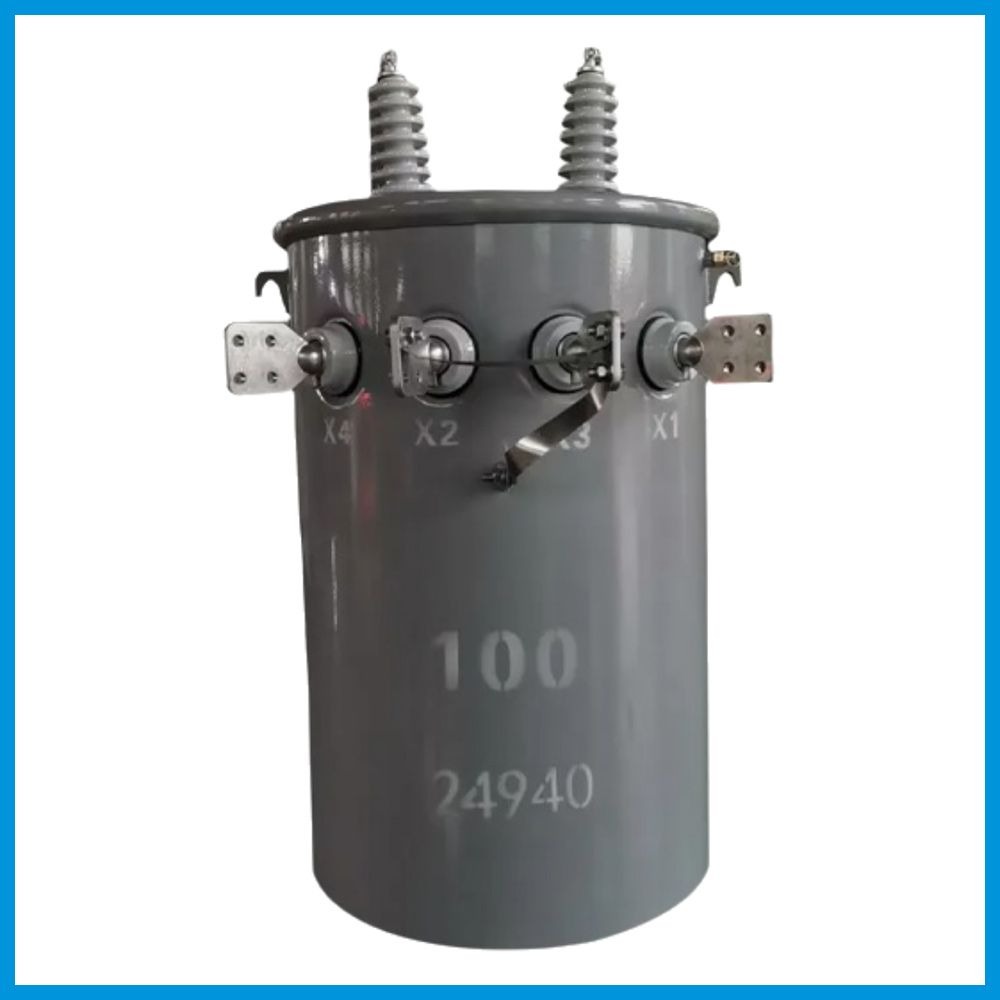
To choose correctly, you must map your Industrial load. Do you have many small machines or a few massive ones?
Check the Motor Requirements: If your motors are above 5 HP, you likely need three-phase.
Evaluate the Distance: For long distances to a single pump, use a High voltage Single Phase Transformer.
Assess Indoor Space: If space is tight and the load is small, a Pillar type single-phase unit is easier to tuck away.
Consider Redundancy: If your process cannot stop, consider a bank of Single Phase Transformer units rather than one large three-phase unit.
The Single Phase Transformer remains a cornerstone of the Industrial world. While three-phase systems handle the heavy lifting of massive factories, the Single Phase Transformer provides the precision, flexibility, and remote capability that keep modern industry moving. Whether it is an Oil immersed unit for a rugged outdoor site or a Low voltage unit for a sensitive control room, understanding these differences ensures your facility operates with maximum Efficiency and safety.
Q: Can I run a three-phase motor on a Single Phase Transformer?
A: Not directly. You would need a Variable Frequency Drive (VFD) or a phase converter to translate the single-phase output into the three overlapping waves the motor needs.
Q: Why are Pillar type transformers so common in new Industrial parks?
A: They are safer and more aesthetically pleasing. They house the Single Phase Transformer in a locked metal cabinet at ground level, making them easy for technicians to service without climbing poles.
Q: Is an Oil immersed transformer better than a dry one for High voltage?
A: Generally, yes. Oil is a much better heat conductor and insulator than air. For High voltage Industrial applications, oil-immersed units are usually more Durable and have a longer lifespan.
At our facility, we don't just assemble components; we engineer reliability. We operate a state-of-the-art production base specialized in High-quality power equipment. Our factory is equipped with advanced vacuum drying ovens and precision winding machines to ensure every Single Phase Transformer we produce meets the highest international standards for Efficiency and safety.
Our strength lies in our rigorous testing protocols. Before any Oil immersed or Pillar type unit leaves our doors, it undergoes a battery of tests, including impulse voltage and partial discharge analysis. We understand that in an Industrial setting, a transformer failure is not just an inconvenience—it is a financial disaster. That is why we focus on using premium materials and robust designs. We are proud to support global B2B partners with transformers that are built to last in the most demanding environments. When you choose our products, you are partnering with a factory that values technical excellence and long-term performance above all else.