

close
Choose Your Site
Global
Social Media


Understanding Transformer Cores and Their Role in Energy Efficiency
Transformer Clamps and Their Contribution to Core Efficiency
How Transformer Cores Influence Heat Dissipation and Loss Reduction
The Role of Magnetic Flux in Enhancing Transformer Core Performance
Optimizing Energy Efficiency with Adjustable Transformer Clamps
In the modern electrical systems that power our industries and homes, transformers play a critical role. They ensure the efficient transfer of electrical energy between circuits by stepping up or stepping down voltage levels. However, transformer efficiency is not solely dependent on the electrical components; the core design of the transformer is equally crucial. The energy efficiency of a transformer is significantly influenced by the materials and construction of its core, as well as the components that hold it together, such as transformer clamps. Understanding how transformer cores affect energy efficiency can provide key insights into improving transformer performance and reducing energy losses, leading to more sustainable and cost-effective electrical systems.
In this article, we will explore the key factors that influence the energy efficiency of transformer cores, with a special focus on the role of transformer clamps. We'll cover everything from the material selection of transformer cores to the specific ways in which adjustable and sturdy clamps can optimize performance, reduce losses, and enhance long-term durability.
The core of a transformer is typically made from high-grade steel or other ferromagnetic materials. Its primary function is to conduct magnetic flux between the transformer’s windings. The efficiency of a transformer is heavily influenced by how well the core can conduct this magnetic flux while minimizing energy losses.
Energy loss in transformers occurs due to two primary factors: core losses and copper losses. Core losses are caused by the hysteresis and eddy currents that occur when the core material magnetizes and demagnetizes with the alternating current. A high-quality core material reduces these losses by enhancing magnetic flux density and reducing resistivity.
Transformer clamps help maintain the integrity and alignment of transformer cores, preventing movement or misalignment, which can lead to operational inefficiencies and even physical damage to the core structure. By ensuring that the core remains securely positioned, transformer clamps contribute to the overall energy efficiency of the transformer.
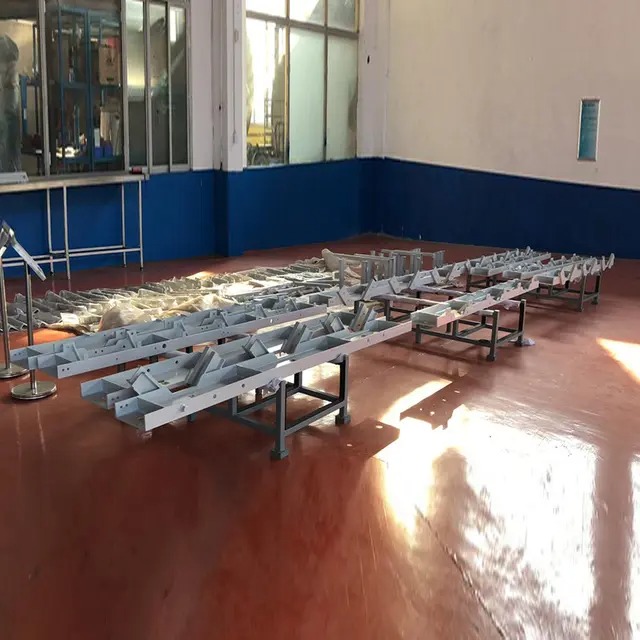
The material selection for transformer cores is crucial to optimizing energy efficiency. Common materials used in transformer cores include silicon steel, amorphous steel, and iron alloys. Each material has distinct advantages and drawbacks in terms of magnetic properties, cost, and energy efficiency.
Silicon Steel: Known for its high magnetic permeability, silicon steel is commonly used in transformer cores. It helps reduce core losses but may still incur significant energy dissipation due to its inherent hysteresis losses.
Amorphous Steel: A newer material, amorphous steel, exhibits superior efficiency by reducing hysteresis losses. It has a disordered atomic structure, which minimizes eddy current losses, making it highly efficient but more expensive.
Iron Alloys: Iron-based alloys offer a balance between cost and performance. They are durable and relatively efficient, though they may still experience moderate losses compared to more advanced materials like amorphous steel.
Choosing the right core material is vital, but it is not enough on its own. The transformer clamps used to secure the core also play a role in ensuring the material remains in optimal condition, preventing distortion or fatigue over time. Durable and sturdy transformer clamps are essential to the long-term stability of the transformer.
The shape and construction of the transformer core are key factors that affect how efficiently magnetic flux is transferred between the windings. Transformer cores typically come in two types: core-type and shell-type.
Core-Type Transformers: In this design, the windings are wound around the core. This type is commonly used in smaller transformers and is easier to construct but may experience higher core losses due to the winding's proximity to the core.
Shell-Type Transformers: The core completely surrounds the windings in this design. While more complex and costly to build, shell-type transformers tend to have lower energy losses as the magnetic flux is more efficiently confined within the core.
Additionally, the manner in which the core is constructed can also influence energy efficiency. For instance, laminated cores reduce eddy current losses by creating thin layers that limit the path of induced currents. The construction of the core’s steel laminations must be highly precise to prevent gaps or misalignment, where adjustable transformer clamps with adjustable tension can ensure that the core maintains its intended form.
While much attention is placed on the materials and design of transformer cores, it is also essential to consider the transformer clamps that secure the core. These components help maintain the mechanical integrity of the core and prevent distortions or misalignments, which could lead to inefficiencies.
Sturdy, professional transformer clamps are used to fix the core in place, minimizing mechanical stress and vibrations that could otherwise cause misalignment. This not only ensures the core remains in its optimal position but also reduces the potential for energy loss due to inefficient core function.
Moreover, adjustable transformer clamps allow for fine-tuning the tension applied to the core, ensuring it remains perfectly aligned during operation. This adjustability helps mitigate long-term wear and tear, enhancing the energy efficiency of the transformer over its lifespan.
Efficient heat dissipation is another factor that influences the energy efficiency of a transformer. When a transformer operates, it generates heat due to the core losses (hysteresis and eddy currents) as well as copper losses in the windings. If heat is not properly dissipated, it can cause damage to the transformer’s components and reduce its lifespan.
The design and material of the transformer core play a significant role in controlling the temperature. For instance, amorphous steel cores tend to have lower losses and generate less heat than traditional silicon steel cores. However, even the best core materials can experience thermal expansion, which can affect the alignment of the core and result in energy inefficiencies.
Here, adjustable transformer clamps provide an added benefit. By controlling the tension applied to the core, these clamps can reduce the effects of thermal expansion and contraction, maintaining the core’s shape and efficiency even under changing temperature conditions. Clamp-on transformer clamps further provide ease of maintenance, ensuring that proper alignment is maintained with minimal downtime.

Magnetic flux plays a critical role in the performance of transformer cores. The efficiency of a transformer core depends largely on its ability to conduct magnetic flux effectively. The better the magnetic flux conduction, the lower the losses and the higher the energy efficiency.
To enhance magnetic flux, transformer cores are often constructed with a high permeability material that supports the flow of magnetic lines with minimal resistance. This allows for the transformer to operate more efficiently by reducing core losses.
Incorporating professional, durable transformer clamps ensures that the core remains precisely aligned, which maximizes the path for the magnetic flux and enhances the overall transformer performance. Misalignments or vibrations could disrupt the magnetic flux, leading to inefficiencies. Using sturdy, clamp-on transformer clamps with adjustable tension ensures that the core remains in optimal alignment throughout the operational lifespan of the transformer.
To optimize energy efficiency, it's essential to consider not just the materials and design of the core but also the clamps that secure the core. Adjustable transformer clamps provide the flexibility to fine-tune the core’s alignment, allowing for continuous optimization of performance over time. These clamps can compensate for thermal expansion and mechanical vibrations, which could otherwise cause energy losses due to misalignments.
With adjustable tension, these clamps also ensure that the core is held firmly in place, preventing unnecessary movement that could lead to inefficiency. Over time, these clamps also help extend the transformer’s lifespan by reducing wear and tear on the core structure.
In conclusion, transformer cores play a crucial role in the overall energy efficiency of transformers. The materials, design, and construction of the core significantly influence energy losses and the transformer’s performance. However, the transformer clamps that secure the core are equally important. By using adjustable, sturdy transformer clamps, operators can ensure the core remains aligned, even under varying operational conditions, thereby optimizing energy efficiency and extending the transformer’s lifespan.
Understanding how transformer cores affect energy efficiency and the role that transformer clamps play in maintaining this efficiency, is essential for anyone involved in transformer design, installation, or maintenance.
1. How do transformer clamps help in energy efficiency?
Transformer clamps ensure that the transformer core remains perfectly aligned, preventing distortions or misalignments that can lead to energy loss. By maintaining the core's position, these clamps reduce the likelihood of operational inefficiencies.
2. Can adjustable transformer clamps improve performance over time?
Yes, adjustable transformer clamps allow for fine-tuning, helping to maintain the core’s alignment even as thermal expansion and mechanical vibrations occur. This helps ensure consistent energy efficiency over time.
3. What is the best material for transformer cores to reduce energy losses?
Amorphous steel is generally considered one of the best materials for transformer cores due to its ability to reduce hysteresis and eddy current losses, making it highly efficient. However, it is more expensive than traditional silicon steel.
4. How do core losses affect transformer energy efficiency?
Core losses, caused by hysteresis and eddy currents, can significantly reduce transformer efficiency. Using high-quality core materials and ensuring proper alignment with transformer clamps helps minimize these losses.