

close
Choose Your Site
Global
Social Media


Selecting Professional Transformer Clamps for Enhanced Durability
The Role of Transformer Cooling Systems in Extending Core Life
Transformer cores are the backbone of electrical transformers, facilitating the transfer of electrical energy through magnetic fields. As such, their proper maintenance is critical to ensure long-term performance and avoid costly downtime. This article explores effective strategies to extend the service life of transformer cores, with a special focus on utilizing transformer clamps and other key practices that can enhance the durability and reliability of transformers in industrial settings.
Transformer cores play an essential role in the overall functioning of electrical transformers. They provide the path for the magnetic flux created by the primary coil, which induces a voltage in the secondary coil. Over time, however, transformer cores are exposed to wear and environmental stresses, which can degrade their performance.
The core's material, shape, and design are all integral to its ability to transfer energy efficiently. Common materials include silicon steel, which is known for its low core loss, and other specialized alloys designed to reduce eddy current losses. Protecting and extending the service life of these cores is critical, as replacement or repairs can be expensive and time-consuming.
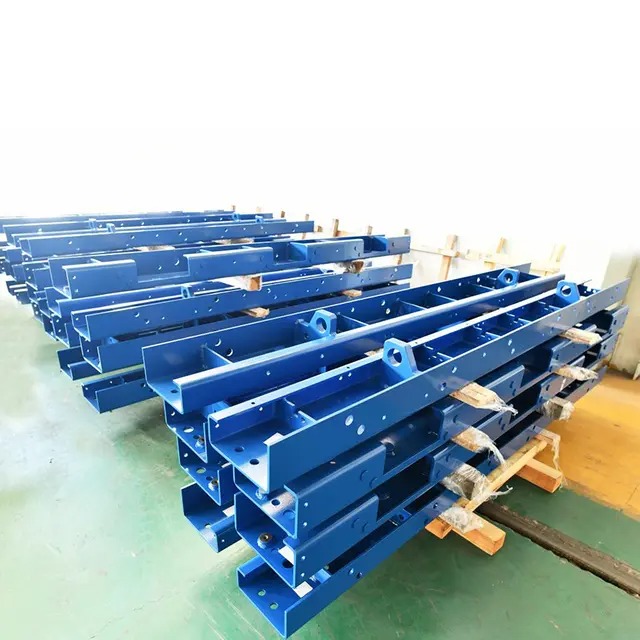
Professional transformer clamps play a crucial role in maintaining the structural integrity of transformer cores. These sturdy, adjustable devices secure the transformer core in place, preventing unwanted movement and minimizing the impact of external forces. Durable clamp-on solutions, when chosen correctly, can provide additional support, reducing wear and tear over time.
Using transformer clamps with adjustable tension ensures that the core is held securely without over-stressing its components. The ability to fine-tune the tension can help accommodate changes in temperature and other operational conditions that may cause expansion or contraction in the core.
When selecting transformer clamps, it is important to consider:
Material Strength: Clamps made from high-quality steel or composite materials offer better resistance to corrosion and wear.
Size and Fit: Clamps should match the size of the transformer core precisely to prevent any unnecessary strain or misalignment.
Adjustability: Adjustable clamps offer more flexibility in accommodating the transformer’s movements and temperature fluctuations.
The installation of transformer cores directly impacts their long-term performance. Proper alignment and securing of the core are fundamental to prevent unnecessary stress on the materials. When setting up a transformer, here are some best practices:
Proper Handling: During installation, cores should be carefully handled to prevent deformation or cracking. This can be facilitated with professional transformer clamps that help keep the core steady during the process.
Correct Positioning: Ensure that the core is aligned correctly within the transformer housing to avoid mechanical stress. Use sturdy clamp-on systems that allow for fine adjustments to ensure proper alignment.
Electrical Connections: Ensure that all electrical connections are tight and secure. Loose connections can lead to overheating and unnecessary stress on the core.
Regular maintenance is essential for extending the life of transformer cores. Following a routine maintenance schedule helps detect issues before they escalate, minimizing downtime and repair costs. Key maintenance practices include:
Visual Inspections: Regularly inspect the core for any signs of damage, such as cracks or rust. Transformer clamps should also be inspected to ensure they remain secure and functional.
Cleaning: Over time, dust and debris can accumulate around the transformer core, which can affect performance. Regular cleaning helps maintain the core's efficiency.
Lubrication: Certain parts of the transformer, including the adjustable tension elements of the clamps, may need periodic lubrication to prevent rust and wear.
Testing: Conduct regular electrical tests to ensure that the core is functioning optimally and there are no irregularities that could lead to premature wear.
The operational environment has a direct impact on the longevity of transformer cores. Factors such as temperature, humidity, and load fluctuations can cause gradual wear and damage over time. Monitoring these conditions is essential for maintaining the health of the transformer core.
Temperature Control: Transformer cores are sensitive to temperature changes. Overheating can lead to thermal stress, which accelerates core degradation. Regularly monitor temperatures and ensure that cooling systems are functioning properly.
Load Management: Running transformers at or near full capacity for extended periods increases the wear on the core. Proper load balancing and managing peak demands can reduce stress on the core and extend its service life.
Environmental Factors: Excessive humidity or dust can also impact the performance of transformer cores. Installing durable transformer clamps that help shield the core from environmental factors can be beneficial.
Cooling systems play an integral role in maintaining the temperature of transformer cores within optimal operating ranges. These systems prevent overheating, which could otherwise cause core material to degrade over time. Proper cooling can reduce the risk of thermal fatigue and extend the lifespan of transformer cores.
Oil Cooling: Many transformers use oil as a coolant. Regularly checking the oil levels and ensuring it is clean and free from contaminants is essential to avoid overheating.
Air Cooling: For smaller transformers, air cooling can be sufficient. However, it's important to ensure that air vents are unobstructed and that the airflow is not compromised.
Heat Dissipation: Ensure that all cooling components, including radiators and fans, are in good working order to prevent heat buildup around the transformer core.
Innovations in materials science and transformer technology have introduced new ways to improve core longevity. Advanced composite materials and nanotechnology are now being used to produce transformer cores that are more resilient to wear and thermal stress.
High-Grade Steel: Many modern transformers use silicon steel or grain-oriented steel, which offer lower core losses and better efficiency, thus extending the core's lifespan.
Nanotechnology: The integration of nanomaterials has led to transformers with enhanced resistance to heat and oxidation, thereby improving core longevity.
Coating Technologies: Coating transformer cores with protective layers helps prevent rust and other forms of corrosion that can compromise the core's integrity.
Extending the service life of transformer cores is a crucial part of maintaining the overall efficiency and reliability of electrical transformers. By selecting durable, adjustable transformer clamps, following optimal installation practices, performing regular maintenance, monitoring operational conditions, and utilizing advanced materials, you can significantly enhance the lifespan of transformer cores. These strategies not only reduce downtime and maintenance costs but also improve the overall performance of the transformer, contributing to a more sustainable and cost-effective energy system.
Q1: What are transformer clamps, and why are they important?
A: Transformer clamps are tools used to secure the transformer core in place. They prevent movement, reduce mechanical stress, and help maintain proper alignment during operation, contributing to the longevity of the core.
Q2: How often should transformer cores be inspected?
A: Transformer cores should be inspected regularly, ideally at least once every 6-12 months. Visual checks for wear, rust, or damage, as well as operational tests, should be conducted.
Q3: Can using the wrong transformer clamps cause damage to the core?
A: Yes, using improperly sized or low-quality clamps can lead to misalignment, increased stress on the core, and potential mechanical failure, ultimately reducing the lifespan of the transformer.
Q4: How can I improve the cooling system of my transformer to extend core life?
A: Regularly check the cooling system for functionality, ensure oil levels are adequate and clean, and inspect air vents for blockages. Proper cooling helps prevent overheating and reduces the risk of thermal fatigue on the core.
Q5: Are there any modern technologies that help extend the life of transformer cores?
A: Yes, the use of advanced materials like nanotechnology and grain-oriented steel has significantly improved transformer core durability, reducing the risks of wear and enhancing efficiency.