

close
Choose Your Site
Global
Social Media


Electricity travels long distances from power plants to our neighborhoods, but it doesn't arrive in a form our home appliances can use. This is where the Single Phase Transformer becomes the unsung hero of the modern grid. It acts as a critical bridge, taking electricity from the high-capacity lines and refining it for safe, everyday use. Without this device, the high-pressure energy from the grid would simply destroy our household electronics.
In this guide, we will explore the inner workings of this essential machine. We will look at how it manages the transition from High voltage to Low voltage and why its Efficiency is so important for keeping our electricity bills manageable. From the Oil immersed units on suburban streets to the Pillar type designs in urban centers, understanding how it works helps us appreciate the complexity of the residential power system.
The heart of a Single Phase Transformer is a simple yet brilliant application of Faraday’s Law of Electromagnetic Induction. It doesn't have any moving parts like a motor; instead, it uses magnetic fields to transfer energy between two independent circuits. This stationary design is why it is so durable and can last for decades in harsh outdoor environments.
Inside the tank, you will find two coils of wire wrapped around a common iron core. The "Primary" coil receives electricity from the grid. As current flows through it, it creates a fluctuating magnetic field in the iron core. This field then "induces" a voltage in the "Secondary" coil. By changing the number of turns in these wires, we can precisely control the output.
For residential areas, the goal is almost always a "step-down" process. The grid might deliver power at several thousand volts. The Single Phase Transformer reduces this to the standard 120V or 240V required for your lights and oven. This conversion must be handled with extreme care to maintain a steady frequency, ensuring your clocks stay on time and your sensitive computers don't crash.
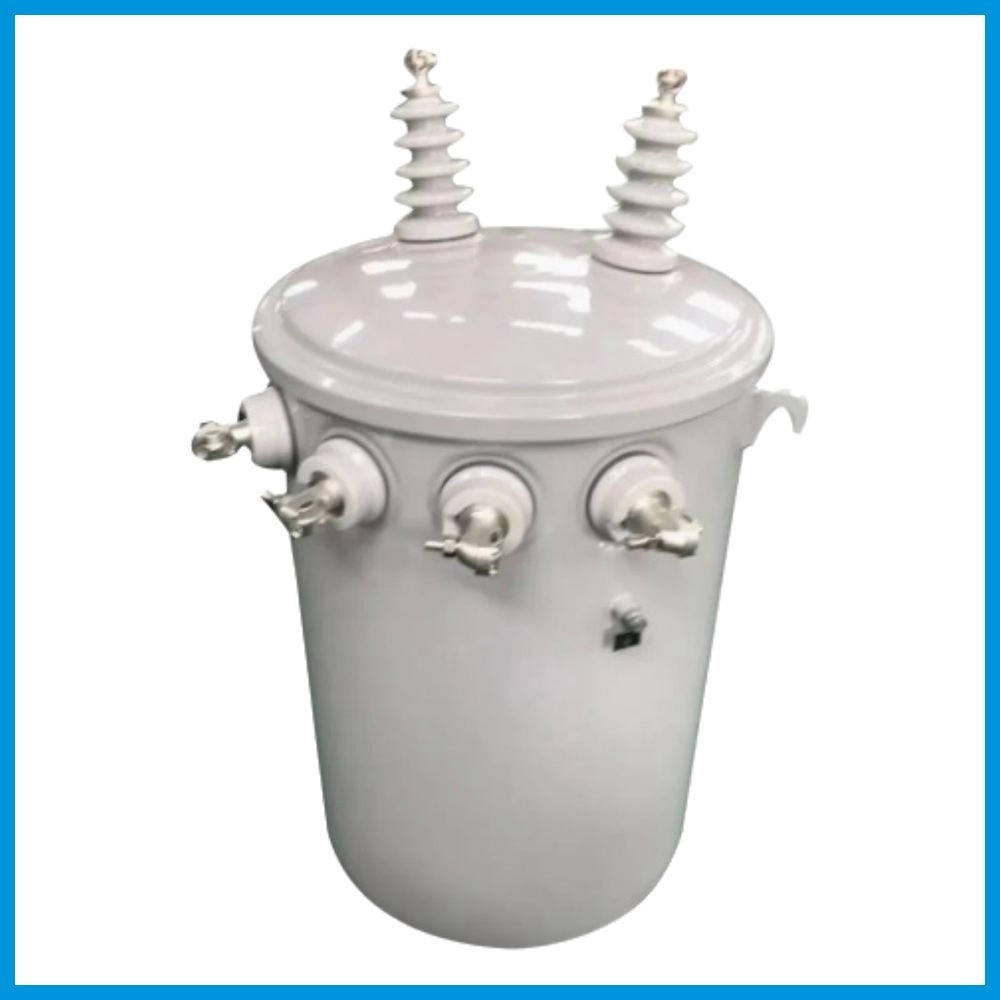
While factories often require three-phase power for massive Industrial motors, your home operates perfectly on a single phase. It is simpler, cheaper to install, and more than enough for lighting, heating, and small appliances.
Utilities prefer the Single Phase Transformer for residential sectors because it requires fewer wires and less complex protection equipment. Using one phase instead of three reduces the weight on utility poles and simplifies the billing process for the end consumer. It is the most economical way to distribute power to spread-out suburban housing.
In a neighborhood, every house uses power differently. One neighbor might be running a dryer while another is asleep. A Single Phase Transformer is excellent at handling these localized variations. It isolates the residential load from the main transmission line, preventing a surge in one house from affecting the stability of the entire regional grid.
To keep a Single Phase Transformer running safely, we must prevent the electricity from jumping (arcing) between the coils or to the outer casing. Insulation is the key, and in the residential world, "Oil" is the gold standard.
Most residential units are Oil immersed. The internal components sit in a bath of specially formulated mineral oil. This oil serves two vital purposes:
Dielectric Strength: It provides much better insulation than air, allowing the High voltage components to be packed more tightly.
Thermal Management: As the transformer works, it generates heat. The oil circulates, carrying heat away from the core and toward the outer fins of the tank where it can cool down.
Because the core is sealed in an Oil immersed tank, it is protected from moisture, dust, and insects. This makes it incredibly Durable in extreme weather. Whether it is a humid summer day or a freezing winter night, the oil maintains a consistent environment for the electrical components, ensuring long-term Efficiency.
The physical shape of a Single Phase Transformer often changes based on where it is installed. Utility companies choose the form factor that best fits the local landscape and safety requirements.
In modern residential developments with underground power lines, you will see the Pillar type (also known as pad-mounted) transformer. These sit on concrete pads at ground level. They are designed with heavy, locked steel cabinets to prevent unauthorized access. They are aesthetically pleasing and easier to service than units hanging high in the air.
In older neighborhoods with overhead lines, the "bucket" or pole-mounted transformer is the standard. These are elevated to keep them away from people and vehicles. While they are more exposed to the elements, their height provides natural cooling and keeps the High voltage connections safely out of reach.
| Feature | Pole-Mounted | Pillar Type |
| Cooling | Natural air flow | Internal oil circulation |
| Visibility | High (on poles) | Low (at ground level) |
| Line Input | Overhead wires | Underground cables |
| Maintenance | Requires bucket truck | Ground-level access |
In a world focused on sustainability, the Efficiency of our power equipment is under the microscope. Even a small loss of energy in a transformer adds up across millions of homes.
Energy loss usually happens in two ways: heat in the wires and magnetic friction in the core (hysteresis). A High-quality Single Phase Transformer uses high-grade silicon steel for its core. This material is designed to be easily magnetized and demagnetized, which significantly boosts overall Efficiency.
Modern residential transformers are becoming "smarter." They can now include sensors that monitor temperature and load in real-time. This allows utilities to predict when a unit might fail due to an overload—like during a record-breaking heatwave when every air conditioner in the neighborhood is running.
When a transformer has high Efficiency, less energy is wasted as heat. This means the utility doesn't have to generate as much "extra" power to make up for the losses. Eventually, these savings are passed down to you in the form of more stable utility rates and a more reliable power grid.
While this guide focuses on the home, the Single Phase Transformer also plays a role in the Industrial sector, though its function changes slightly.
In a factory, you might see a Single Phase Transformer used to power control panels or localized lighting circuits. Even if the main machinery runs on 480V three-phase power, the sensitive computers and PLC systems need a steady, clean Low voltage single-phase supply.
Industrial units are often built to be even more Durable because they face vibration, chemical exposure, and constant power cycling. However, the core technology remains the same. Whether it is helping a homeowner toast bread or helping an engineer monitor a robot, the goal is to provide a stable voltage that matches the equipment's needs perfectly.
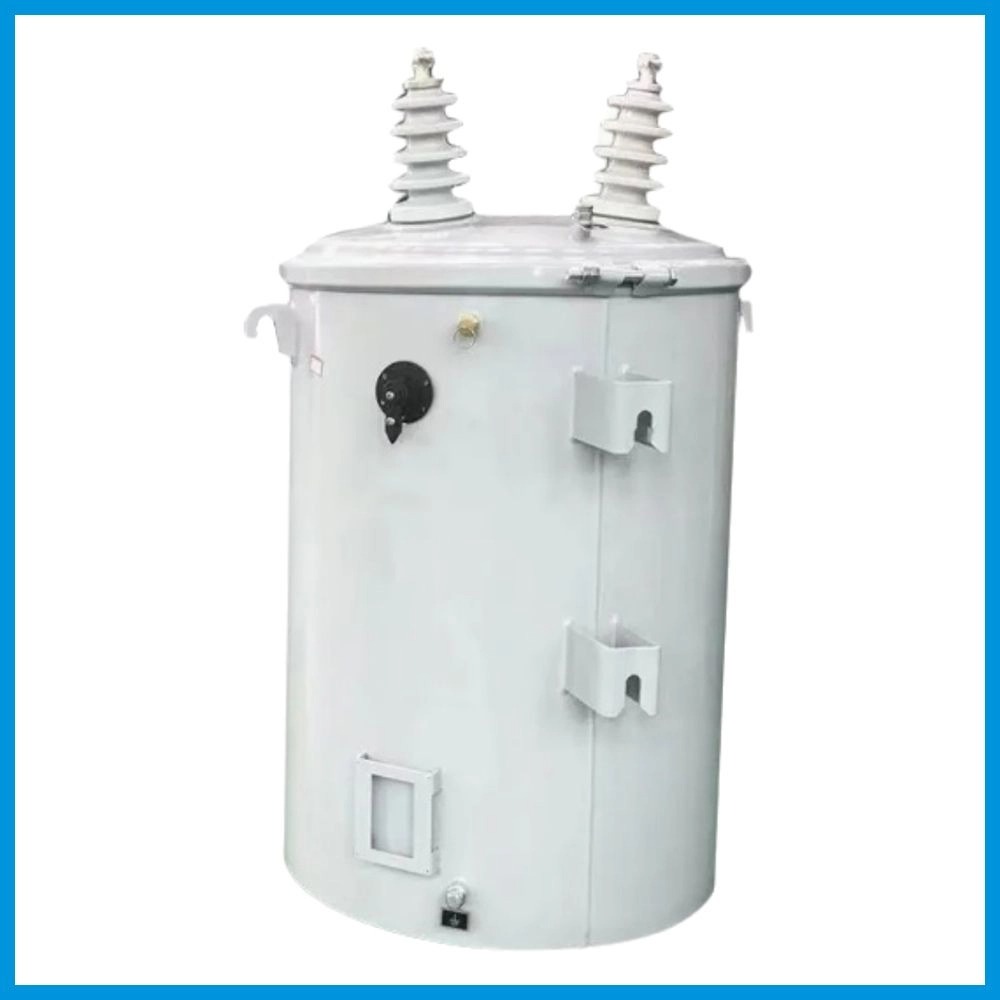
A transformer is a powerful piece of equipment, and it contains several built-in safety mechanisms to prevent accidents.
If a fault occurs inside an Oil immersed unit, the oil can vaporize and create pressure. Every modern unit has a pressure relief valve that safely vents this gas. This prevents the tank from rupturing and keeps the surrounding area safe.
Since transformers sit between the grid and your home, they are the first line of defense against lightning strikes. Arrestors divert the sudden surge of High voltage into the ground before it can reach your home's breaker panel. It is a vital sacrificial part that saves your expensive appliances from being fried.
As we move toward electric vehicles (EVs) and solar-powered homes, the demands on our transformers are changing. We need units that can handle "two-way" power flow as homes send excess solar energy back to the grid.
EV chargers pull a lot of current for long periods. This can stress older transformers. Future designs will likely focus on even better thermal management and higher Efficiency to handle the increased load without overheating.
We are seeing a move toward Eco-friendly vegetable-based oils for insulation instead of traditional mineral oils. These are biodegradable and have a higher fire point, making the Single Phase Transformer of tomorrow even safer and greener than the ones we use today.
The Single Phase Transformer is much more than a metal box on a pole or a green cabinet in the yard. It is a sophisticated machine that manages the dangerous power of the grid and makes it safe for our families. By understanding its Efficiency, its Oil immersed insulation, and its ability to step down High voltage, we can see how essential it is for modern life. As our power needs grow, this technology will continue to evolve, staying at the heart of our residential power systems for years to come.
Q1: Why do transformers hum?
The humming sound is called magnetostriction. The iron core actually expands and contracts slightly 120 times per second due to the alternating magnetic field. A High-quality unit is built to minimize this vibration.
Q2: Can a Single Phase Transformer work in both directions?
Yes. While we usually use them to "step down" voltage for homes, they can also "step up" voltage. This is how solar energy from your roof is increased to a higher voltage so it can be sent back into the utility lines.
Q3: How long does a typical residential transformer last?
Most are designed to last 25 to 35 years. Their lifespan depends heavily on how much heat they have to handle. A unit that is constantly overloaded will fail much sooner than one running at high Efficiency.
I have seen firsthand how critical reliable power is for the growth of communities. At our company, we operate a state-of-the-art manufacturing facility that specializes in the production of High-quality power equipment. Our factory is equipped with advanced vacuum drying and oil filling systems to ensure that every Oil immersed Single Phase Transformer we produce meets the highest international standards for Efficiency and safety.
We take pride in our precision engineering. From the initial winding of the coils to the final High voltage testing, we maintain a strict quality control process that is second to none. We don't just build transformers; we provide the backbone for residential and Industrial progress. Whether you need a standard Pillar type unit or a custom solution for a unique grid challenge, our factory has the technical expertise and the production capacity to deliver. We are committed to powering the world with equipment that is Durable, reliable, and built to last for generations.