

close
Choose Your Site
Global
Social Media


Transformers are essential components in electrical systems, playing a pivotal role in voltage regulation and energy distribution. A critical part of a transformer’s operation is the core, which ensures efficient energy transfer and conversion. However, over time, transformer cores can face a variety of faults that compromise their performance and safety. Proper maintenance and repair are vital to ensuring transformers operate at their full potential. One key component in transformer maintenance is the use of transformer clamps, which secure transformer cores and prevent damage during operation. In this article, we will explore the most common faults found in transformer cores and discuss practical fixes to address these issues. We will also highlight the importance of professional, sturdy, and adjustable transformer clamps in ensuring the longevity and efficiency of transformer cores.
The core of a transformer is the heart of the device, typically made from laminated sheets of steel, which allow it to conduct magnetic flux efficiently. Its role is to convert electrical energy from one voltage level to another. The core's material, design, and maintenance are crucial factors that determine the overall efficiency and lifespan of the transformer. A well-maintained core ensures minimal energy loss, reduced risk of faults, and a prolonged operational life.
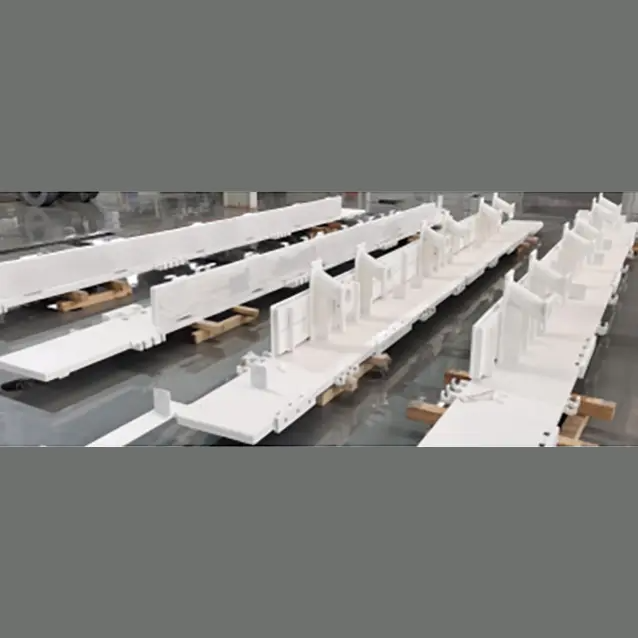
Transformer cores can experience several issues that affect their efficiency and reliability. Some of the most common faults include overheating, insulation failure, short circuits, and mechanical damage. Let’s take a closer look at each of these issues:
Overheating is one of the most common and damaging faults in transformer cores. When a transformer operates under heavy load or in extreme environmental conditions, it can cause excessive heat buildup, leading to core degradation. Overheating can result from poor ventilation, excessive current, or prolonged overloads.
Signs of Overheating:
Increased transformer temperature
Discoloration or burn marks on the core
Distorted transformer body
Insulation failure occurs when the insulating material surrounding the transformer core breaks down. This is often caused by factors like excessive voltage, aging materials, or contamination. Insulation failure can lead to short circuits or even complete transformer failure.
Signs of Insulation Failure:
Power interruptions
Unusual buzzing sounds
Breakdown of insulating material (visible wear or cracking)
A short circuit within the transformer core can be caused by faults in the windings or insulation material. This is one of the most dangerous faults and can lead to significant damage to the core and even cause electrical fires if not addressed.
Signs of Short Circuits:
Sudden loss of power
A burning smell or smoke
Hot spots on the core
Mechanical damage can occur when transformers are improperly handled during installation, transportation, or maintenance. This can cause distortion or cracks in the core material, affecting the transformer’s performance and causing permanent damage.
Signs of Mechanical Damage:
Visible cracks or dents on the transformer body
Loss of mechanical integrity
Unstable or faulty operation
Addressing faults in transformer cores requires both prevention strategies and repair techniques. Below are some practical approaches to fixing the common faults in transformer cores.
Overheating in transformer cores can be prevented and repaired through several methods. First, ensure that the transformer is installed in a well-ventilated area with adequate cooling systems. If overheating has already occurred, it’s crucial to conduct a thorough inspection to check for burnt components or damage to the core. Replacement of damaged components and enhancing the cooling system can help resolve the issue.
Fixes:
Upgrade the cooling system (e.g., adding fans, improving air circulation)
Replace damaged windings or core components
Reduce the load on the transformer to avoid excessive heating
Once insulation failure is detected, immediate action must be taken to prevent further damage. If the insulation material is degraded, it must be replaced. In some cases, re-coating the insulation or adding extra layers may also help extend the transformer’s life. Regular inspection and timely maintenance of insulation can prevent this issue.
Fixes:
Replace damaged insulation materials
Apply additional insulating layers
Use professional transformer clamps to ensure secure placement and prevent mechanical stress on insulation
Short circuits in transformer cores can be difficult to detect. However, using specialized testing equipment to assess the transformer’s winding resistance and insulation resistance can help pinpoint the problem. Once the source of the short circuit is identified, repairing or replacing the faulty components is essential.
Fixes:
Use infrared thermography to identify hot spots
Replace damaged windings or shorted components
Inspect and repair insulation material
Mechanical damage is typically detected through visual inspection. If physical damage is detected, the transformer should be decommissioned immediately to prevent further harm. Repairing mechanical damage often involves straightening bent components or replacing severely damaged sections.
Fixes:
Conduct regular visual inspections to detect early signs of mechanical stress
Use sturdy transformer clamps to prevent mechanical movement during operation
Replace damaged parts or components with adjustable, clamp-on solutions that secure the transformer core
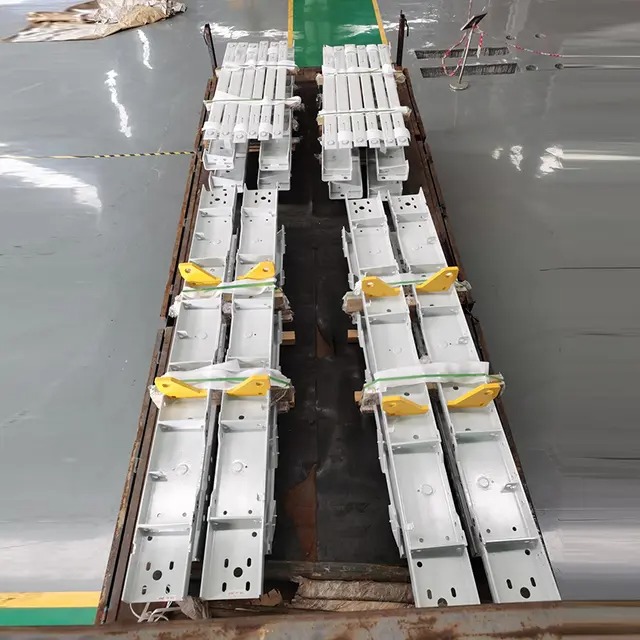
Using high-quality transformer clamps is essential in maintaining the integrity of the transformer core. These clamps ensure that the transformer core remains securely in place, preventing mechanical damage and reducing the risk of faults such as overheating or insulation failure. Professional and adjustable transformer clamps can also provide optimal tension, which helps maintain the stability of the transformer during operation. Durable transformer clamps are an investment in the long-term performance and reliability of the transformer.
Choosing the right transformer clamps is vital to ensure effective core maintenance. When selecting clamps, it is essential to consider factors like the clamp-on design, adjustable tension, and material durability. Professional-grade transformer clamps can be custom-designed to suit specific transformer types, ensuring a secure and lasting fit.
Factors to consider when choosing transformer clamps:
Material Quality: Opt for high-strength materials such as stainless steel or alloy metals to prevent rust and corrosion.
Adjustability: Adjustable tension features allow for easy fitting and better support during operation.
Size Compatibility: Ensure that the clamps are sized correctly to fit the transformer’s core securely.
Proper maintenance of transformer cores is critical to ensuring the longevity and efficiency of electrical systems. By understanding the common faults that can occur and implementing appropriate fixes, such as using sturdy, adjustable transformer clamps, you can significantly reduce the risk of costly repairs and operational disruptions. Regular inspections, timely repairs, and the use of professional-grade tools and components are essential for ensuring the continued safe operation of transformer cores.
Q1: How often should transformer cores be inspected?
Regular inspection should be performed annually, but more frequent checks may be necessary if the transformer is under heavy use or in extreme environmental conditions.
Q2: Can overheating be prevented entirely?
While overheating cannot be entirely prevented, it can be minimized by ensuring adequate cooling and avoiding overloading the transformer.
Q3: What is the best material for transformer clamps?
The best materials for transformer clamps are typically corrosion-resistant metals like stainless steel, which offer durability and long-term performance.
Q4: How do I know if my transformer has insulation failure?
Signs of insulation failure include power interruptions, buzzing sounds, or visible breakdown of insulating materials. Regular diagnostic tests can also help detect early insulation issues.
Q5: Can mechanical damage be repaired?
Yes, mechanical damage can often be repaired by replacing or straightening damaged parts, and using adjustable clamps can prevent future damage during operation.