

close
Choose Your Site
Global
Social Media


Electricity powers nearly every aspect of modern living, from lighting and refrigeration to communication and renewable energy systems. Behind the scenes of these everyday conveniences is one essential electrical device: the Single Phase Transformer. Although often unnoticed, the Single Phase Transformer plays a critical role in safely delivering electricity to homes, offices, shops, schools, and small industrial facilities.
A Single Phase Transformer is specifically designed to operate on single-phase alternating current (AC) power systems, which are commonly used in residential and light commercial applications. By adjusting voltage levels through electromagnetic induction, a Single Phase Transformer ensures that electrical equipment receives the correct voltage for efficient and safe operation.
This article explores the wide-ranging applications of the Single Phase Transformer in everyday life, supported by technical insights, data comparisons, and modern trends shaping the future of power distribution.
Before exploring its applications, it’s important to understand why the Single Phase Transformer is so widely used. Most residential electrical systems operate on single-phase power, typically 120V or 230V depending on the country. However, electricity generated at power plants is transmitted at very high voltages to minimize losses. A Single Phase Transformer reduces that high voltage to a usable and safe level for households.
Without the Single Phase Transformer, electrical appliances would either receive dangerously high voltage or insufficient power.
Voltage step-down for residential distribution
Voltage step-up for specific equipment
Electrical isolation for safety
Load balancing in small systems
Voltage regulation for sensitive electronics
Because of its versatility, the Single Phase Transformer has become indispensable in daily life.
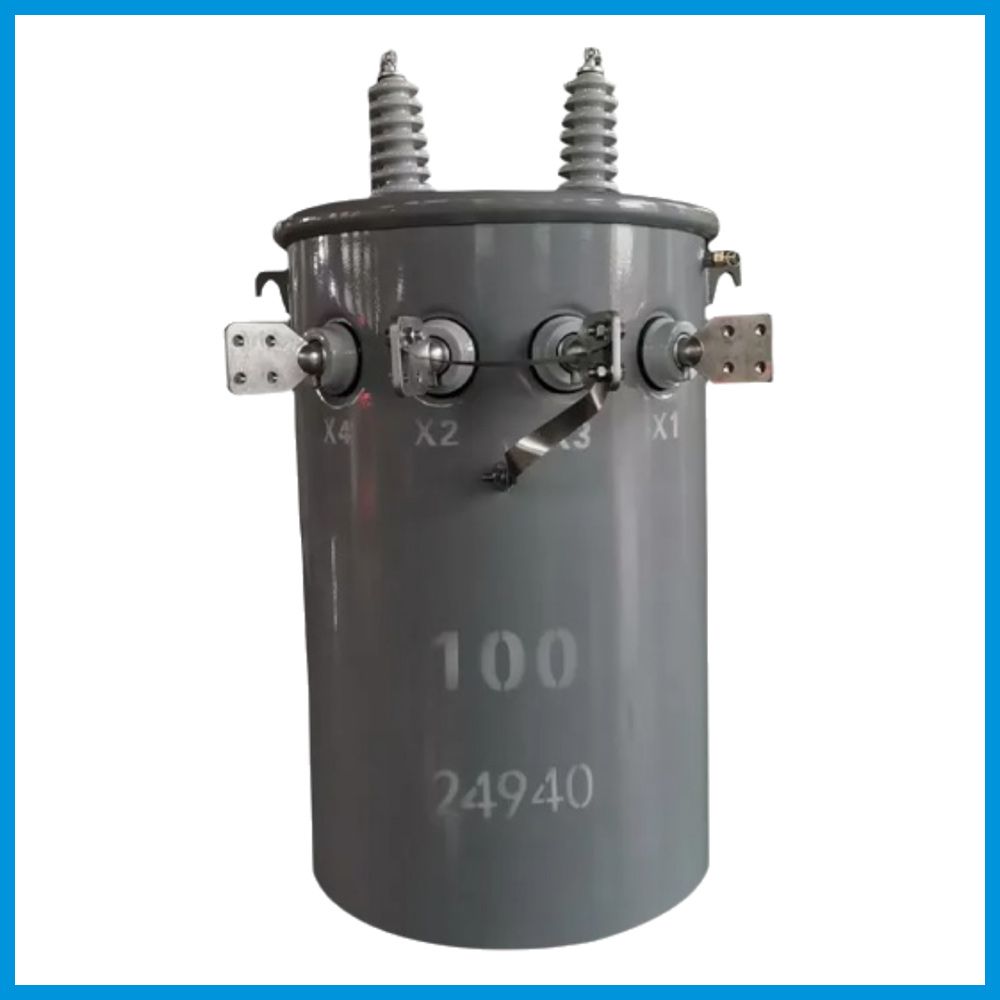
One of the most common applications of the Single Phase Transformer is residential power supply.
Electricity from substations is delivered to neighborhoods at medium voltage levels (e.g., 11kV or 33kV). A Single Phase Transformer mounted on utility poles or installed in ground-mounted enclosures reduces this voltage to 120V or 230V for household use.
| Feature | Benefit in Residential Use |
|---|---|
| Moderate Power Capacity | Suitable for household loads |
| Cost Efficiency | Lower installation cost |
| Compact Design | Easy to mount on poles |
| High Efficiency (95–98%) | Reduced energy losses |
Every time you switch on a light or charge a phone, a Single Phase Transformer is involved in delivering stable electricity to your home.
Many household appliances rely indirectly on a Single Phase Transformer. In addition to grid-level transformers, smaller internal transformers are found inside devices.
Televisions
Refrigerators
Microwave ovens
Washing machines
Air conditioners
Laptop chargers
Inside these devices, miniature versions of the Single Phase Transformer adjust voltage levels to match internal circuit requirements.
Modern electronics require precise voltage. A Single Phase Transformer used in combination with stabilizers ensures:
Protection from voltage spikes
Prevention of overheating
Extended appliance lifespan
With the increasing number of smart devices in homes, the role of the Single Phase Transformer has become even more critical.
Retail shops, offices, cafes, and small businesses typically operate on single-phase power. The Single Phase Transformer supports these businesses by providing reliable voltage conversion.
Lighting systems
POS systems
HVAC systems
Security cameras
Office computers
For small-scale commercial environments, installing a Single Phase Transformer is more economical and easier to maintain than three-phase alternatives.
| Parameter | Single Phase Transformer | Three Phase Transformer |
|---|---|---|
| Initial Cost | Lower | Higher |
| Installation Complexity | Simple | Complex |
| Maintenance | Easier | Moderate |
| Best For | Small shops/offices | Factories |
For businesses with moderate energy demands, the Single Phase Transformer offers a balanced solution.
The rise of residential solar power systems has significantly increased the importance of the Single Phase Transformer.
Many home solar installations generate DC power, which is converted to AC by an inverter. A Single Phase Transformer ensures compatibility between the inverter output and the household grid.
Voltage matching
Grid synchronization
Electrical isolation
Improved energy efficiency
As renewable energy adoption grows globally, the demand for efficient Single Phase Transformer solutions is also increasing.
With the rise of electric vehicles, residential charging stations are becoming common. Most home EV chargers operate on single-phase supply, supported by a Single Phase Transformer.
Provides stable charging voltage
Protects charging equipment
Ensures safety compliance
Supports load management
As EV adoption increases, the integration of the Single Phase Transformer into smart charging infrastructure is becoming more advanced.
In clinics and small healthcare facilities, a Single Phase Transformer is used to power medical devices safely.
Diagnostic equipment
Laboratory instruments
Patient monitoring systems
Portable medical devices
Isolation-type Single Phase Transformer units are often used to prevent electrical interference and ensure patient safety.
Schools and universities also rely heavily on the Single Phase Transformer.
Classroom lighting
Computer labs
Laboratory equipment
Smart boards
Because educational facilities often operate with moderate loads, a Single Phase Transformer provides a reliable and economical solution.
Voltage fluctuations can damage electronics. A Single Phase Transformer is commonly used in:
Voltage stabilizers
Uninterruptible Power Supplies (UPS)
Backup power systems
A Single Phase Transformer inside a UPS converts voltage during battery operation and stabilizes output power.
| Device | Role of Single Phase Transformer |
|---|---|
| Voltage Stabilizer | Regulates voltage |
| UPS System | Converts and stabilizes |
| Inverter | Adjusts output voltage |
While heavy industries use three-phase systems, small workshops and light manufacturing units rely on a Single Phase Transformer.
Welding machines
Small motors
CNC hobby machines
Packaging equipment
For operations with limited power demand, the Single Phase Transformer remains sufficient.
Street lighting systems in residential areas often use a Single Phase Transformer for localized voltage reduction.
Energy efficiency
Lower infrastructure cost
Easier maintenance
Reliable performance
Municipalities prefer installing a Single Phase Transformer in smaller grids to power lighting and public amenities.
The widespread adoption of the Single Phase Transformer is due to its practical advantages:
Simple design
Lower manufacturing cost
Easy installation
Minimal maintenance
Reliable voltage transformation
Compact size
These benefits make the Single Phase Transformer suitable for diverse everyday uses.
Modern energy systems are evolving. The Single Phase Transformer is adapting to new technologies.
IoT-enabled sensors now monitor:
Temperature
Load conditions
Voltage stability
Fault detection
Smart-enabled Single Phase Transformer units improve preventive maintenance.
Manufacturers are using:
Biodegradable insulating oils
Recyclable steel cores
Low-loss magnetic materials
These advancements enhance sustainability while improving the performance of the Single Phase Transformer.
While three-phase transformers are essential for heavy industry, the Single Phase Transformer remains optimal for everyday applications.
| Feature | Single Phase Transformer | Three Phase Transformer |
|---|---|---|
| Best Use | Residential & Light Commercial | Heavy Industrial |
| Installation | Simple | Complex |
| Energy Efficiency | High for small loads | Higher for large loads |
| Cost | Affordable | Expensive |
For typical daily power consumption, the Single Phase Transformer is the most practical choice.
The Single Phase Transformeris deeply embedded in everyday life. From powering homes and charging electric vehicles to supporting solar energy systems and medical equipment, the Single Phase Transformer ensures that electricity is delivered safely and efficiently.
Its adaptability, efficiency, and cost-effectiveness make the Single Phase Transformer indispensable in residential and light commercial environments. As energy systems evolve with smart technologies and renewable integration, the Single Phase Transformer continues to modernize, meeting new performance and sustainability standards.
Understanding the applications of the Single Phase Transformer helps consumers, engineers, and business owners make informed decisions about electrical infrastructure and energy efficiency.
A Single Phase Transformer is used to step down high transmission voltage to safe household voltage levels.
Yes, a Single Phase Transformer is commonly used in residential solar systems for voltage matching and grid synchronization.
Most Single Phase Transformer units operate at 95–98% efficiency under normal load conditions.
A properly maintained Single Phase Transformer can last 20–30 years.
The Single Phase Transformer is cost-effective, easy to install, and perfectly suited for moderate household power demands.