

close
Choose Your Site
Global
Social Media


Selecting the right electrical equipment is a high-stakes task for any engineer or procurement officer. When your project depends on a Single Phase Transformer, the difference between a seamless installation and a costly system failure lies in the details. These units are the workhorses of residential power distribution and specialized Industrial applications, but they are not "one size fits all" components.
In this guide, we dive into the technical heart of power management. We will explore the seven critical specifications that determine if a Single Phase Transformer will meet your load requirements, survive your environment, and maintain peak Efficiency. Whether you are looking for an Oil immersed unit for a rural grid or a Pillar type solution for urban infrastructure, these insights will help you navigate the complexities of voltage regulation and thermal management.
The most fundamental specification to check is the rated capacity, measured in kilovolt-amperes (kVA). This value tells you exactly how much apparent power the Single Phase Transformer can handle continuously. Choosing a unit with insufficient capacity leads to overheating, while over-specifying results in unnecessary capital expenditure.
Experts recommend sizing a Single Phase Transformer at 120% of your peak calculated load. This "safety buffer" accounts for inrush currents from motors and future project expansions. In an Industrial setting, where machines might start simultaneously, this headroom prevents the protection relays from tripping.
It is important to remember that kVA ratings are often tied to specific temperature rise limits. If your project is in a high-ambient heat area, it might effectively de-rate the unit. A High-quality unit will provide a clear cooling class (such as ONAN for Oil immersed models), which directly impacts how it maintains its rated capacity under stress. Always verify the nameplate data against your project’s worst-case thermal scenario.
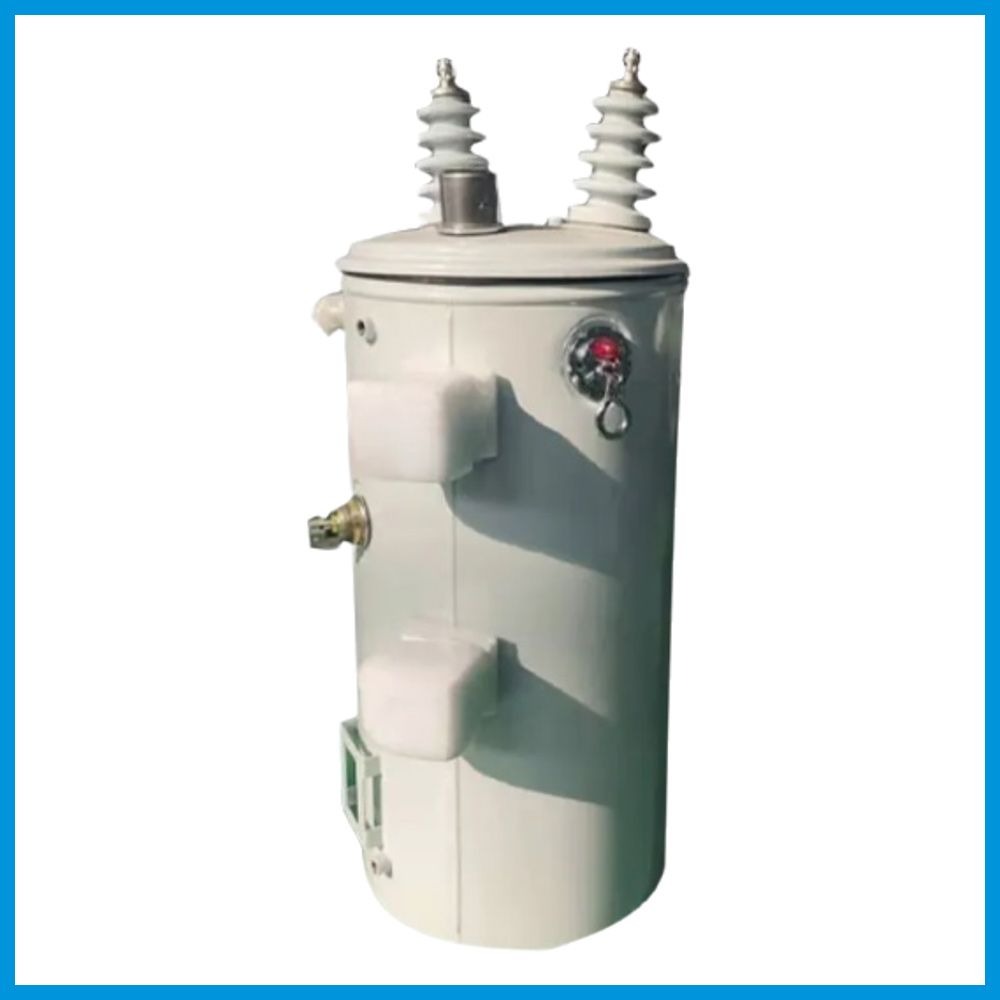
The primary purpose of a Single Phase Transformer is voltage transformation. You must perfectly match the primary side to your supply and the secondary side to your equipment requirements. A mismatch here is not just an operational issue; it is a major safety hazard.
Most distribution projects involve stepping down from a High voltage utility line (like 11kV or 33kV) to a usable Low voltage level (like 240V or 120V). When reviewing specs, check the insulation level of the High voltage bushings. They must be rated to withstand lightning surges and switching transients common in outdoor grids.
A "hidden" specification in voltage management is the tap changer range. Grid voltages fluctuate based on distance from the substation. A Premium Single Phase Transformer will include ±2.5% or ±5% taps. These allow you to manually adjust the turn ratio to ensure your Low voltage output remains stable even if the utility feed is slightly off-spec. This protects sensitive electronics in your project from undervoltage or overvoltage damage.
The environment of your project dictates the cooling method. For large-scale outdoor distribution or heavy Industrial use, the Oil immersed Single Phase Transformer remains the industry gold standard for heat dissipation and insulation.
Oil serves two roles: it conducts heat away from the coils to the radiator fins, and it acts as a superior dielectric insulator. In Industrial zones with high pollution or moisture, the sealed nature of an Oil immersed unit protects the core from corrosion. These units are also significantly more Durable for long-term outdoor service compared to dry-type alternatives.
While oil-filled units are efficient, you must check the type of oil used. Mineral oil is standard, but for projects near water sources or in fire-sensitive areas, you might specify high-fire-point vegetable-based fluids. It is a trade-off between the superior Efficiency of oil and the specific safety requirements of your site.
Where and how the unit sits is a logistical specification that affects installation costs and accessibility. For urban projects or areas with limited ground space, the Pillar type or Pillar mounted design is becoming the preferred choice.
A Pillar type Single Phase Transformer is designed to sit on a concrete pad or a dedicated pedestal. This configuration is excellent for underground-fed residential areas. They are easy to inspect at eye level and offer better protection against vehicle impacts or vandalism compared to ground-level "pad-mount" boxes.
Pole Mounted: Saves ground space but requires specialized bucket trucks for maintenance.
Pillar Type: Easier for technicians to access but requires a small footprint of land.
Pad Mounted: Common in suburban areas; requires high-security enclosures.
When choosing, consider the "Total Cost of Installation." A Single Phase Transformer that fits your existing mounting infrastructure will save thousands in labor and crane rentals.
In 2026, Efficiency is not just an environmental goal; it is a regulatory requirement. Every Single Phase Transformer has two types of losses: "No-load losses" (core losses) and "Load losses" (copper losses).
The core is the heart of Efficiency. Units using amorphous metal cores or high-grain-oriented silicon steel significantly reduce no-load losses. This is vital for projects where the transformer is energized 24/7 but only used heavily during certain hours, such as in residential neighborhoods.
Load losses occur when current flows through the windings. By using High-quality copper or aluminum with high conductivity, manufacturers can minimize heat generation. A more efficient Single Phase Transformer stays cooler, lasts longer, and lowers the electricity bill for the end-user over its 30-year lifespan. Always ask for the "Loss Evaluation" data sheet to compare the long-term ROI of different models.
Impedance is a specification that defines how much the voltage drops under load and, more importantly, how much current will flow during a short-circuit fault. This is a "make or break" spec for your system's protection coordination.
If the impedance is too low, fault currents can reach massive levels, potentially exploding your downstream Low voltage switchgear. If it is too high, the voltage drop will be excessive during normal operation. A typical Industrial Single Phase Transformer might have an impedance of 2% to 5%. You must ensure your circuit breakers are rated to interrupt the specific "Short Circuit Current" (Isc) that this transformer can deliver.
During a short circuit, massive magnetic forces try to pull the transformer coils apart. A Premium unit will be "Short-Circuit Withstand" certified. This means the internal bracing is strong enough to survive a fault without the windings shifting, which would otherwise lead to an internal flashover and total unit failure.
Transformer hum is caused by "magnetostriction"—the core laminations vibrating as the magnetic field changes. In residential or office environments, a loud Single Phase Transformer is a major nuisance that can lead to project complaints.
Check the NEMA or IEC sound level ratings. A standard Industrial unit might operate at 50-60 decibels, but for noise-sensitive areas, you may need a unit rated for 40 decibels or lower. Manufacturers achieve this by using tighter core clamping and specialized vibration-dampening mounts inside the tank.
The physical housing also matters. A Pillar type enclosure can act as a sound barrier if it is designed with internal acoustic padding. If your Single Phase Transformer is destined for a hospital, school, or quiet neighborhood, the "Decibel Rating" is just as important as the voltage rating.
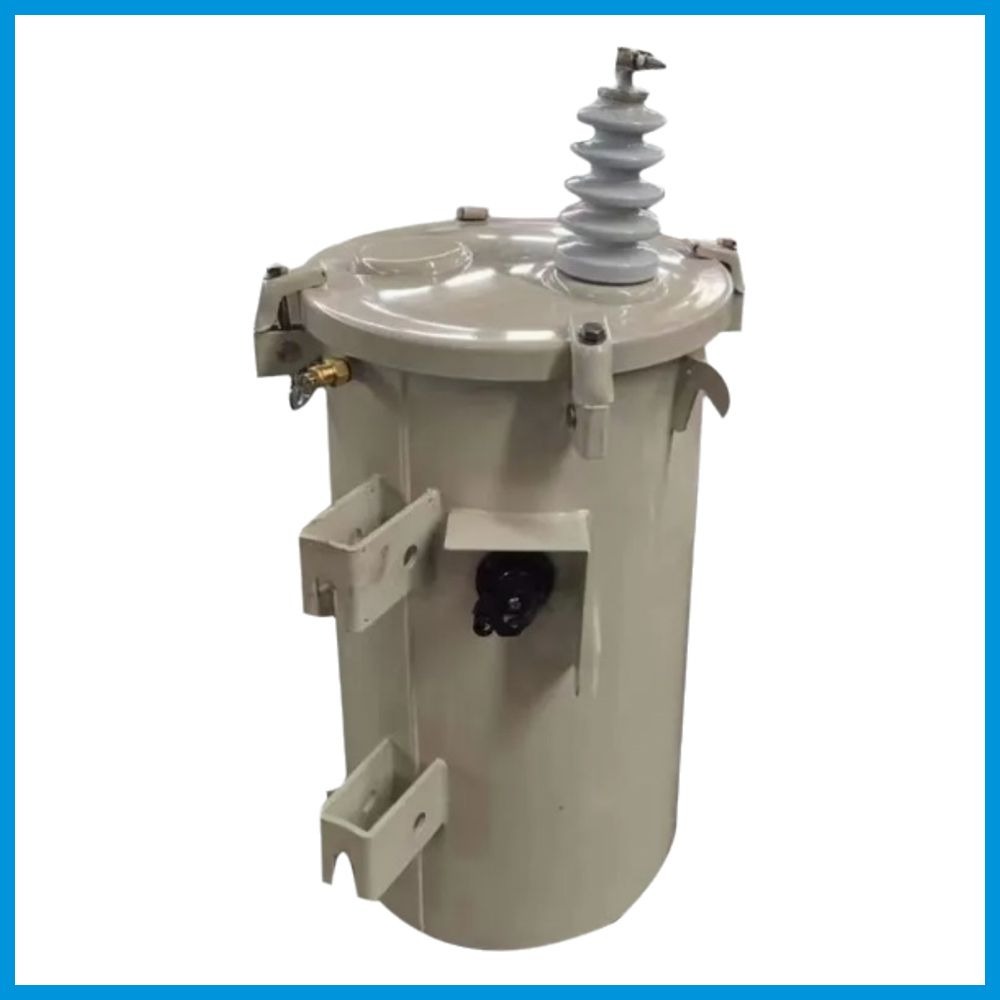
To help you make a quick decision, we have compiled the key trade-offs between different Single Phase Transformer types.
| Specification | Oil Immersed (Outdoor) | Dry-Type (Indoor) |
| Cooling Efficiency | Very High | Moderate |
| Maintenance | Low (Sealed) | Moderate (Dusting) |
| Voltage Capability | Up to High voltage (35kV+) | Limited to Low voltage (<15kV) |
| Service Life | 25-40 Years | 15-25 Years |
| Fire Safety | Requires containment | Inherently safer |
| Common Use | Utility / Industrial Grid | Hospitals / Commercial Buildings |
Choosing the right Single Phase Transformer is a balance of electrical physics and environmental reality. By checking these seven specifications—Capacity, Voltage, Cooling, Mounting, Efficiency, Impedance, and Noise—you ensure your project is built on a foundation of reliability. Don't settle for "standard" if your project has "specialized" needs. A High-quality transformer is an investment that pays for itself through lower energy losses and decades of trouble-free service.
Q1: Can I use a Single Phase Transformer for a three-phase load?
A: Not directly. However, you can bank three Single Phase Transformer units together to create a three-phase system. This is common in rural utilities because it allows for easier replacement if only one phase fails.
Q2: Is an Oil immersed transformer safe for indoor use?
A: Usually, no. Due to fire risks, Oil immersed units are typically reserved for outdoor sites. If used indoors, they require expensive fire-rated vaults and oil containment pits.
Q3: How often does a Single Phase Transformer need maintenance?
A: A sealed Oil immersed unit is virtually maintenance-free for the first 10 years. We recommend an annual visual inspection for leaks and an oil DGA (Dissolved Gas Analysis) every 3-5 years to check for internal aging.
We have spent my career helping clients navigate the complex world of power distribution. At our company, we operate a world-class manufacturing facility that specializes in the precision engineering of power solutions. We take pride in our production lines, which are equipped with advanced winding technology and vacuum drying chambers to ensure every Single Phase Transformer we produce achieves maximum Efficiency.
Our strength lies in our rigorous quality control. Every unit—from a standard Pillar type to a specialized Industrial Oil immersed model—undergoes full routine testing before it leaves our floor. We understand the pressures of High voltage applications, and we build our products to withstand the harshest environments. When you choose our equipment, you are partnering with a factory that values technical integrity and long-term durability. We don't just build transformers; we provide the reliable energy infrastructure that powers your projects' success.